




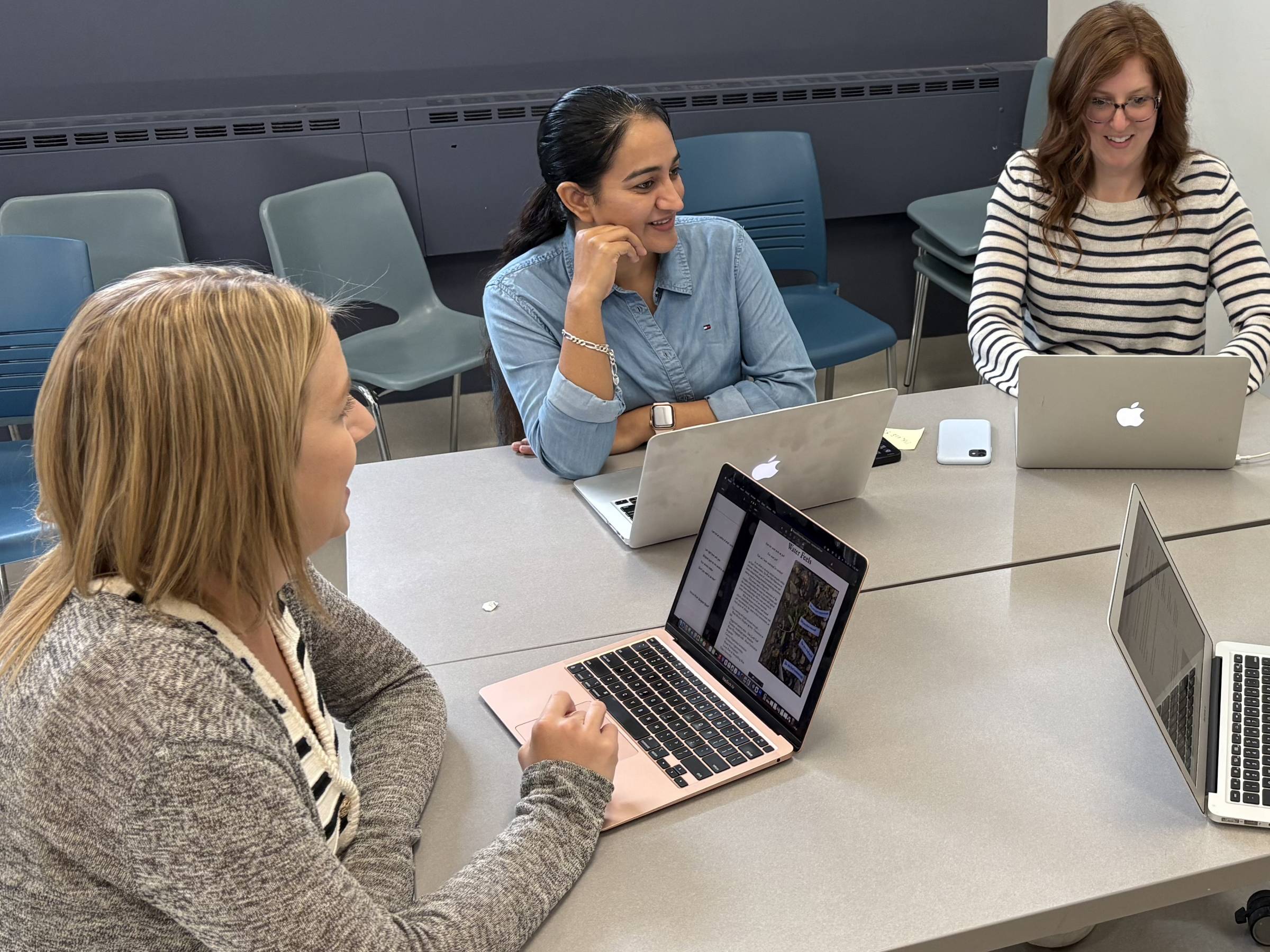
Students participate in hands-on writing, collaborative groups, guest speakers, and exploration of writing craft and pedagogy.
Summer is meant for writing
Course re-instills creativity and inspiration for educators
For Dr. Michelle Honeyford and Dr. Jennifer Watt, summer is made for writing. Their course, “Becoming Writers: Power, Place, and Pedagogy in Teaching Writing” proved to be a standout, thanks to its dynamic, interactive format – and its passionate instructors.
As Co-founder and Director of the Manitoba Writing Project—a professional network that brings educators and partners together to explore the power of writing— Dr. Honeyford and Dr. Watt have been inspiring teachers through this course together since 2018 (Honeyford since 2014!). It’s no surprise that this year’s course was completely full and in demand amongst graduate students.
An immersive experience
This immersive course, also known as the “Summer Writing Institute”, invites educators to grow as writers to empower them to teach writing more effectively. In just two intensive weeks these students, who are completing their Post-Baccalaureate Diploma or Master of Education, earned six credit hours towards their program. Through hands-on writing, collaborative groups, guest speakers, and exploration of writing craft and pedagogy, participants deepen both their practice and perspective.
Reconnecting with writing
“Educators write a lot in their professional roles. But many will admit it’s been a long time since they wrote for pleasure, or that they don’t think of themselves as writers” says Honeyford. “Our hope is for them to re-imagine writing as a form of connection, reflection, and action. Through the course, we invite educators to experiment with new and multimodal forms of writing, and to become part of a community of writers.”
Inspired by the outdoors
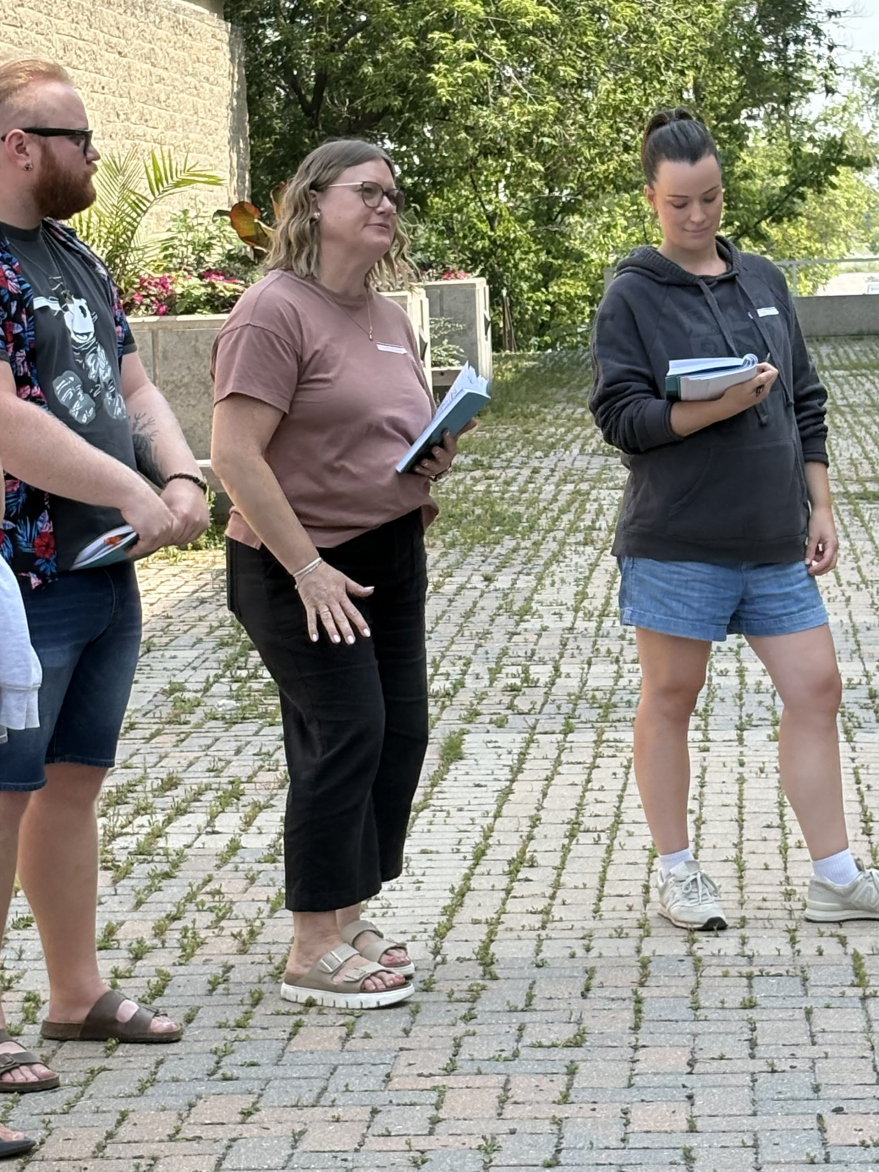
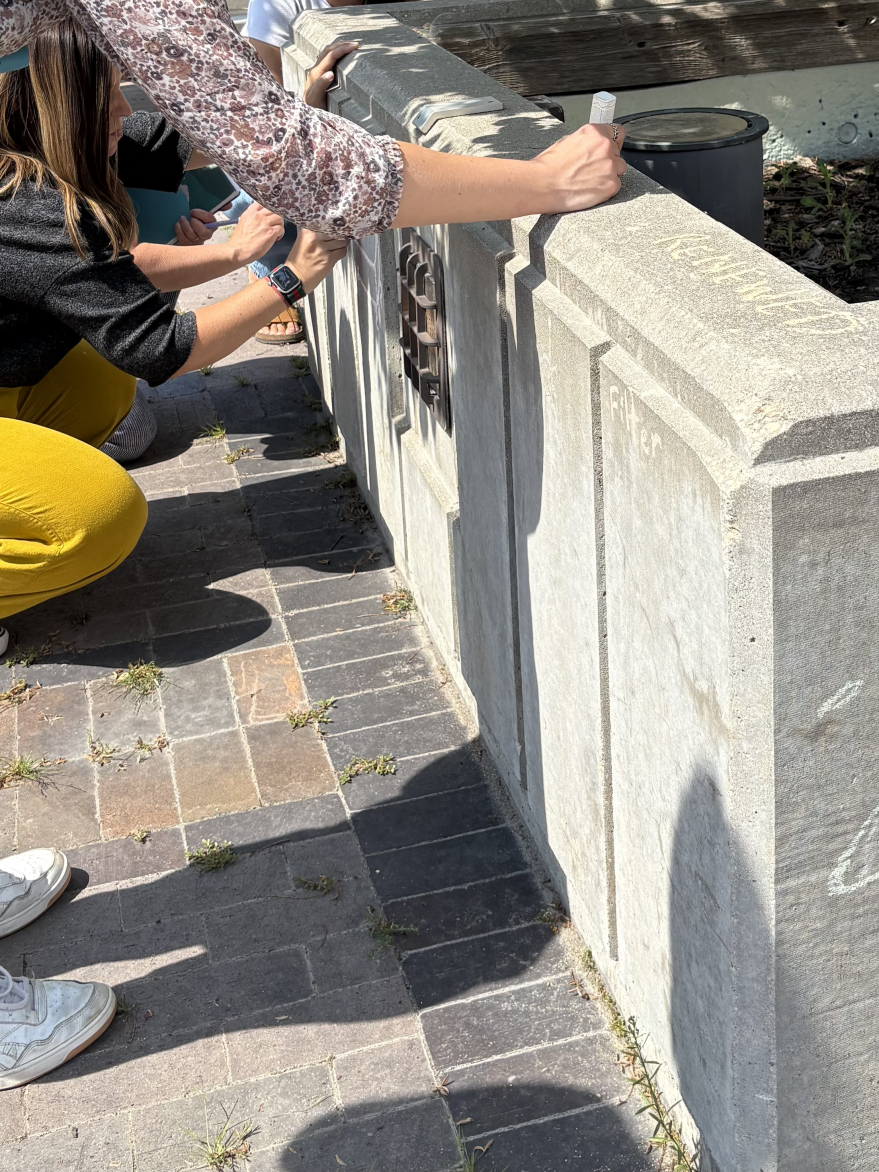
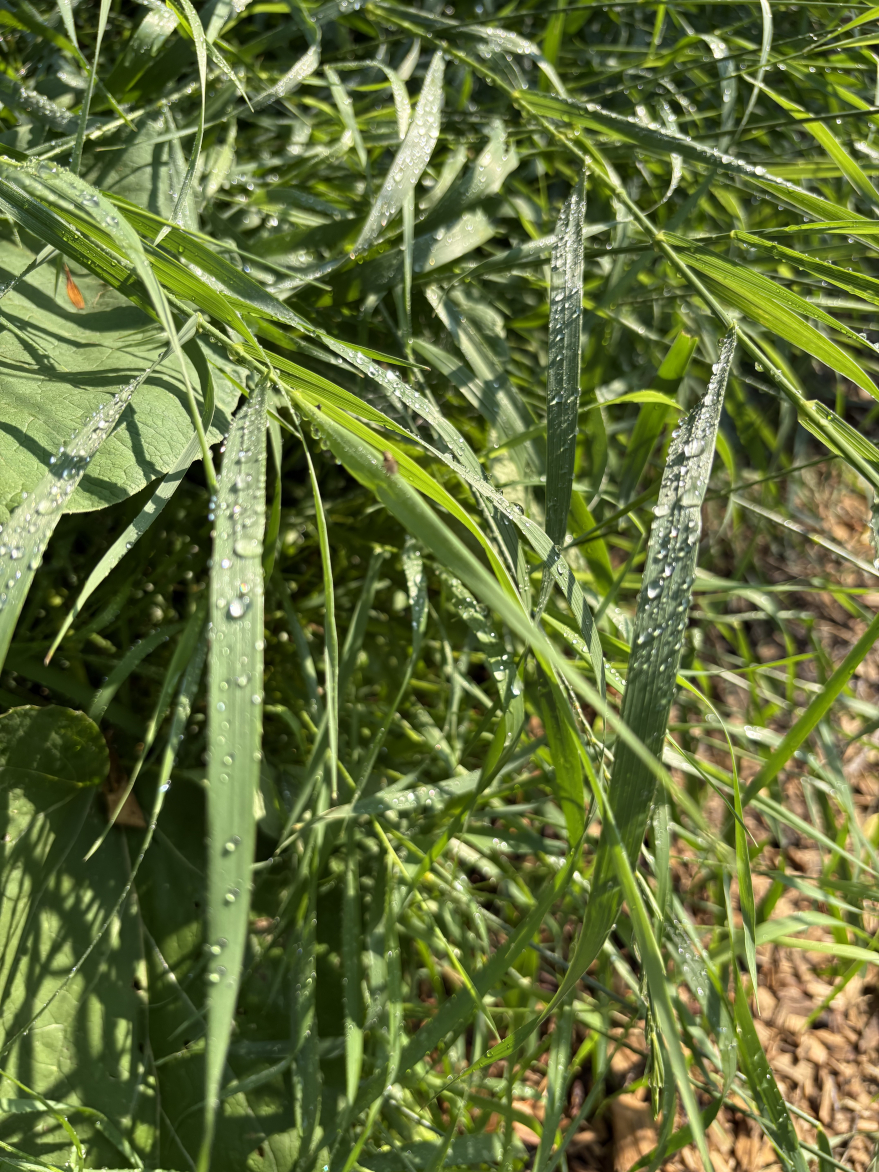
Many on campus saw the large class out walking and writing along the Red River, around campus, to nearby King’s Park, as well as with a “writing marathon” at The Forks. The walking curriculum is a key component of the experience for students.
Honeyford and Watt worked closely with Sarah Roche, an arts integration educator and M.Ed graduate, who facilitated several movement workshops as part of the course. From a “walking dance” on Day 1 to creating a collective water dance on Day 7, Roche reminded the class that writing and literacies are embodied practices. She invited students to be playful, to be noticers, and to compose meaning with and through their bodies.
“There is work that happens through movement, in becoming more attuned to our bodies and to the ways we walk and learn in relation to one another, both human and more-than-human. We become more aware of how literacies are embodied, and how important it is for us to integrate movement into education,” explains Dr. Honeyford.
Growing confidence
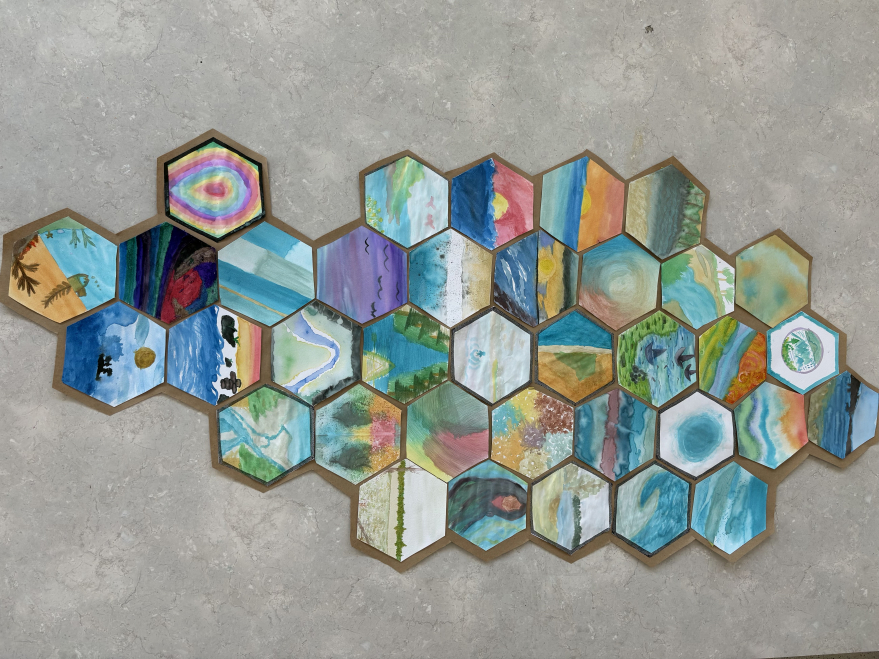
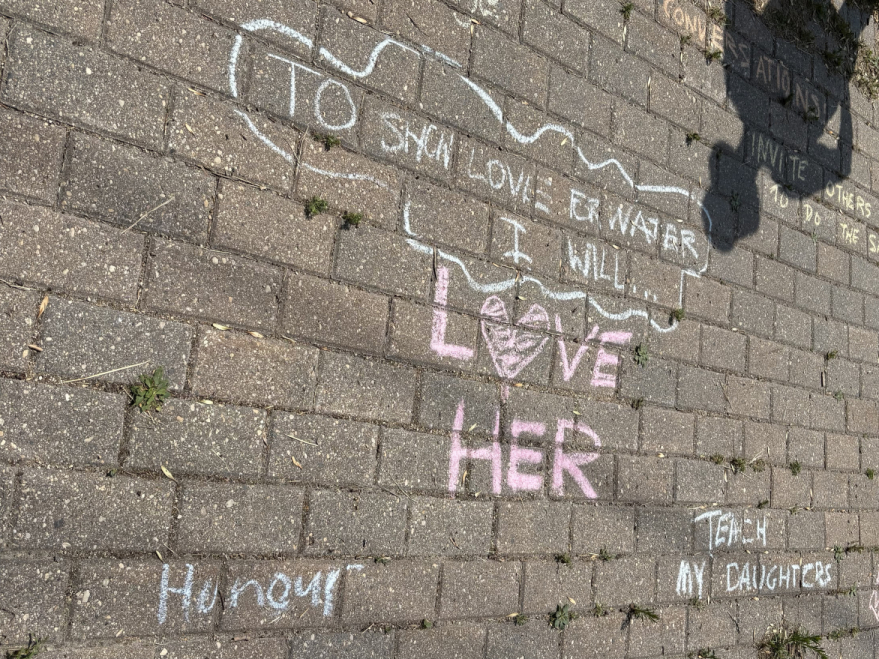
Dr. Honeyford describes how the writing invitations started small by taking photos and writing 6-word poems. Within two weeks, the students had poetry, photo essays, digital stories, reels, rants, letters, etc., and pieces for publication in the Summer Writing Institute Anthology. Says Dr. Honeyford, “we see the growth educators describe as they reflect on their confidence as writers, and what they plan to take back with them into their classrooms as teachers of writers, and it’s amazing. Every time.”
Embracing the theme: Ripple Effects Symposium
This summer, the course included a special one-day Ripple Effects/Just Waters Symposium that featured workshops and presentations by the UM Just Waters Project (Dr. Adele Perry, Dr. Jocelyn Thorpe, and Indigenous Knowledge Keeper Ramona Milliea) and Ripple Effects International (Dr. Bronwyn Williams, University of Louisville).
“Becoming Writers” course participants from previous summers attended the symposium and presented, including Katya Adamov Ferguson (PhD in Education candidate), and Noah Cain (M.Ed graduate). Inspired by the symposium, course activities, and readings, students designed Ripple Effects Place Projects, water-focused writing and inquiry projects they plan to enact in their classrooms and schools in the fall.
Summaries of the projects, which incorporate elements of photography, writing, and publication, will be shared on the Manitoba Writing Project’s website for its Write Out initiative in October.
An international initiative
The “Becoming Writers” course is modeled after the Summer Writing Institute offered by the National Writing Project. Every summer, in nearly 175 university-based writing project sites across the United States, the District of Columbia, Puerto Rico, the US Virgin Islands, as well as international sites including Hong Kong, Malta, Norway, and the Dominican Republic, teachers come together to write—and to grow their practice as teachers of writing. Dr. Honeyford and Dr. Watt are Co-Directors of the Manitoba Writing Project, which became an Associated International Site of the National Writing Project in 2018, the first in Canada.