






Riddell Faculty News Archive

National Geographic: Arctic ice is getting thinner by the day—and sea life is suffering
March 17, 2023 —
Professor Julienne Stroeve's work gets noticed
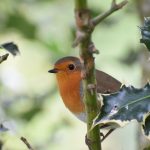
Not all wildlife recovered in lockdowns, new research finds
September 22, 2022 —
British birds reacted differently to COVID-19 lockdowns than did their North American counterparts, new study reports

Winnipeg Free Press: Rediscovered Morden shark fossil floats into ‘special’ territory
July 20, 2022 —
The remains of a member of an ancient shark species recently rediscovered at the Canadian Fossil Discovery Centre are now on display in Morden.
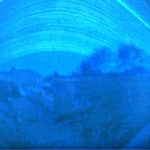
Pinhole camera captures passage of time during pandemic
July 15, 2022 —
A solargraph captured by a pinhole camera with a very long exposure displays the daily path of the sun over the course of two years of the pandemic lockdown

The New York Times Magazine: This Eminent Scientist Says Climate Activists Need to Get Real
April 26, 2022 —
Vaclav shares his beliefs on decarbonization, climate change goals, consumer consumption and the realities of transitioning to sustainable solutions

Mourning the loss of visionary Arctic researcher, Dr. David Barber
April 16, 2022 —
Through his vision, leadership and endless efforts, Dr. Barber established UM as a global leader in Arctic research

Faculty of Science
2022 Turtle Island Indigenous Science Conference
January 27, 2022 —
The UM is hosting its first Indigenous Science Conference with a focus on the Indigenous approach to understanding the five elements of the world: fire, water, earth, air, and spirit.

Asper School of Business
Undergrad students place second at national mining case competition
October 27, 2021 —
University of Manitoba multidisciplinary team takes home second place at World Mining Competition
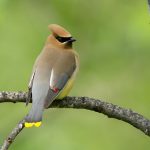
Op-ed: Reducing traffic means more birds and happier people
September 24, 2021 —
A guest essay by Nicola Koper and her colleague in the Globe and Mail.
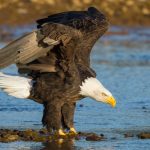
UM study shows most North American birds impacted by COVID-19 lockdowns
September 23, 2021 —
Almost all the species they studied (80%) changed their use of human-altered habitats during the pandemic, and all types of birds, from hawks to hummingbirds, were affected.