






Supporting Indigenous success Through Career Mentorship: The Indigenous Career Mentor Program
Storm Allard - ICMP Mentor of the Month September 2025
The Indigenous Career Mentor Program launched in the fall of 2022 as an extension of Career Services already established Carer Mentor Program. This year, the Indigenous Career Mentor Program will profile the story of one mentor each month from September to April. Interviews from our mentors will provide insight into Indigenous success, as well as how students can best prepare for navigating the transition from university to employment.
The Indigenous Career Mentor Program is an informational interviewing program that supports Indigenous students in gathering industry information. Indigenous mentors that meet with Indigenous students provide advice on how to navigate career opportunities and challenges, mentors may also share their personal experiences navigating their own career journeys.
Indigenous students can choose their mentors from the following fields of practice: Business & Administration, Health Care, Social Services & Education, Government Services, Science & Technology, Arts & Culture, and Recreation & Sports. To learn more about the Indigenous Career Mentor Program and register visit the program homepage.
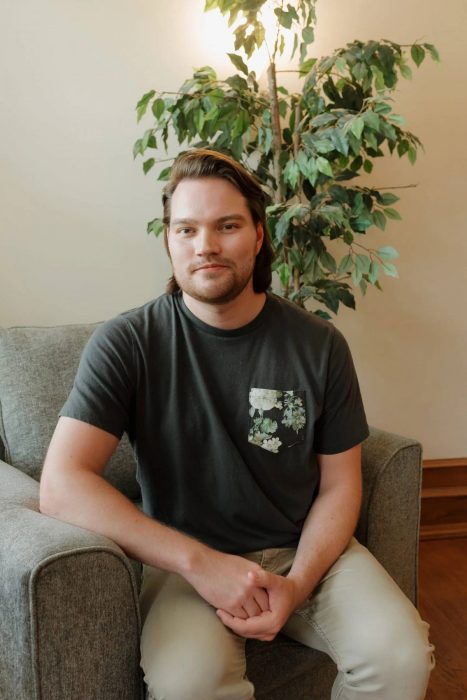 September’s mentor of the month is Storm Allard.
What is your position title and where do you currently work?
Indigenous Student Advisor & Empowering U Financial Wellness Program Coordinator
Migizii Agamik, Indigenous Student Centre
Briefly describe what you do in your current occupation:
I’m an Indigenous Student Advisor at Migizii Agamik, where I support students throughout their academic journey—whether that means connecting them to resources, helping them navigate challenges, or simply being a steady presence they can count on. I also coordinate the EmpoweringU Financial Wellness Program, which helps students build financial confidence and make informed decisions through workshops rooted in Indigenous ways of knowing and being.
A lot of my work is relationship-based—meeting students where they’re at, without judgment, and walking with them through things that often go unseen. What I bring comes from my own path—growing up in the North, leaving home for school, and having to figure things often out on my own. That experience shapes how I show up: with care, honesty, and a strong sense of responsibility to the community. My goal is to make sure students—especially those from northern or remote communities—know they’re not alone, and that they belong here, even if it doesn’t always feel that way.
What initially sparked your interest in the career you have chosen for yourself?
What pulled me into this work was my own experience navigating post-secondary as a first-generation student. I’m from Attawapiskat, and moving away from home to pursue education wasn’t easy. I never really felt like I belonged in the city, or in university spaces. I had to figure out a lot on my own, and while there were some supports, I know now that I needed more community, more guidance—more people who understood what I was going through.
That experience stayed with me. I carry it into the work I do now, especially when I support students from remote or northern communities. I see parts of myself in them. I don’t want them to feel the way I did—disconnected, invisible, or like they’re the only one going through it. My role is about walking with them, advocating for what they need, and creating spaces where they feel like they actually belong. Because they do.
What are some lesser-known duties or work outcomes your role is responsible for that people may not be aware of?
One lesser known but deeply meaningful part of my role is supporting students who’ve relocated from remote communities. Coming from Attawapiskat, I know firsthand the challenges that come with leaving home to pursue education—navigating identity, adjusting to city life, coping with isolation, and facing culture shock. These students often carry things that aren’t visible on the surface, and they need support that goes beyond academics.
A big part of my work involves helping students through sensitive processes like Authorized Withdrawals. These aren’t easy conversations—they often come at a time of crisis or burnout. I approach them with care, empathy, and trauma-informed practices. I also spend a lot of time listening to students share what they’re going through—whether it’s about mental health, identity, family, or community responsibilities—and connecting them to ceremony, Elders, and accessibility supports when needed.
One thing I really value is being able to step away from my upstairs office and spend time downstairs at the front desk. Those casual check-ins with students—just being around—matter. If you’re ever coming to Migizii Agamik, come say hi.
I also coordinate the EmpoweringU Financial Wellness Program—but don’t let the name scare you off. It’s not a lecture or a class. It’s just a space where we talk about money in real ways—how to afford groceries, how to set boundaries with family, how to navigate funding without burning out. For many of us, talking about money can feel overwhelming or even shameful, especially if we didn’t grow up with financial tools. My goal is to shift that—to create a space where you can ask questions, figure things out, and feel like you’re not falling behind just because you didn’t learn this stuff sooner. If any of that sounds familiar, come see me. You don’t need to know what to ask. We’ll figure it out together.
Because of my own experience, I know how important it is to advocate for students from remote communities—especially in institutional spaces where their voices are often left out. My role is about making sure those students are seen, heard, and respected.
What do you enjoy most about your job?
What I enjoy most is building real relationships with students—especially those who feel like they don’t belong. I’ve been there myself—feeling disconnected, homesick, or unsure if university is the right fit. When a student opens up or simply comes by to talk after a tough time, that’s when I know this work matters.
Migizii Agamik—Bald Eagle Lodge—is more than just a building; it’s a space with meaning. The name comes from a dream where a bald eagle calmed a frightened boy. The eagle represents strength, vision, and peace in tough times, just like how the space offers calm and support when life feels overwhelming.
Part of what I enjoy most is creating spaces like EmpoweringU—where students can show up, be curious, and talk about money without shame or fear. The conversations we have in those workshops are often about more than finances—they’re about boundaries, generational patterns, and community care. I get to build programming that reflects real needs, and that’s deeply fulfilling.
I believe in the small moments—the chats at the front desk or when a student drops by to catch their breath. Those moments build trust, and trust is everything. If you’re feeling weighed down by anything—whether it’s burnout, grief, or just needing someone to talk to—I’m here to listen. It’s not about having all the answers; it’s about creating a space where you feel seen, supported, and not alone.
What are some strengths, specialties, and characteristics that are considered assets in your field?
What’s considered valuable in this work isn’t always what students actually need. The real strengths are patience, humility, honesty, and the ability to build relationships based on trust and respect. It’s not about giving advice or playing a role—it’s about being consistent, listening when it counts, and holding space without judgment.
I’m from a remote community. I left home for school at a young age. I’ve carried grief, homesickness, and culture shock—and still had to find ways to keep going. I’m not sharing that to make it about me, but because I remember what it’s like to feel lost, unsure, and alone. I never want students to feel like they have to carry all that by themselves.
What matters most in this work isn’t credentials—it’s how you show up, who you’re accountable to, and whether or not you truly care about the students you’re here to support. That’s what I try to bring into every part of this work.
What is a piece of advice you would offer to Indigenous students interested entering your field?
You don’t need to have it all figured out to step into this work. What matters most is staying grounded in who you are and where you come from. Your story, your struggles, your community—those are strengths. Don’t let institutions—or people—make you feel like you have to change that to be taken seriously.
This work can be heavy, especially when you’re carrying your own experiences while supporting others. But it’s also powerful. Sometimes, your presence alone in a space makes a difference. Just remember—you don’t owe anyone a performance of your Indigeneity. Be honest. Be accountable. Keep learning. The best advisors aren’t the ones with perfect answers—they’re the ones who can sit with people in hard moments and still show up the next day.
You’re not alone, even if it feels like it. We need more of you in this field—on your own terms.
Are there any resources you feel could support Indigenous students interested in this career path?
Community is your biggest resource. It’s not just about professional connections—it’s about being around people who understand where you’re coming from. Connect with Indigenous staff, Elders, Knowledge Keepers, and student groups. Those relationships will carry you further than any textbook ever could.
If you’re at the University of Manitoba, Migizii Agamik is a good place to start. It’s not just a building—it’s a space where you can be yourself, ask questions, sit with your thoughts, or just exist without having to explain everything. You don’t need a reason to stop by. Come hang out, grab some tea, or just take a breather. You’re welcome here.
Off-campus, look for Indigenous-led organizations doing community-based work. And don’t overlook counselling, accessibility, or mentorship programs—especially the ones that reflect your experiences and values.
And if you’re unsure where to start, that’s okay. Walk into a space like Migizii, send an email, or ask someone for coffee. Sometimes the smallest conversations can open the biggest doors. There are no shortcuts in this kind of work—just time, trust, and working in a way that honours the people you’re showing up for.
Within your industry or field, what are some related occupations that you interact with and/or find interesting?
There are a lot of meaningful paths connected to this kind of work. I regularly collaborate with academic advisors, counsellors, accessibility staff, Elders, cultural support workers, and folks in financial aid. Anyone working in student services, Indigenous education, or community outreach is part of this larger web of care.
I’m especially drawn to roles that are rooted in relationship-building, advocacy, and systems change—whether that’s in education, mental health, or policy. What these roles have in common is a commitment to people, and a responsibility to community.
If you care about supporting others and want to do that in a good, steady way—there’s space for you. This work isn’t one-size-fits-all. There’s room to shape your path around what matters most to you.
To meet with mentors like Storm, register for the Indigenous Career Mentor Program. Explore, connect and build confidence as you proceed in your career journey!
If you are an Indigenous professional interested in sharing your story and connecting with students, consider volunteering as a mentor in the Indigenous Career Mentor Program.