






Supporting Indigenous success Through Career Mentorship: The Indigenous Career Mentor Program
Kathy Yerex - ICMP Mentor of the Month December 2025
The Indigenous Career Mentor Program launched in the fall of 2022 as an extension of Career Services already established Carer Mentor Program. This year, the Indigenous Career Mentor Program will profile the story of one mentor each month from September to April. Interviews from our mentors will provide insight into Indigenous success, as well as how students can best prepare for navigating the transition from university to employment.
The Indigenous Career Mentor Program is an informational interviewing program that supports Indigenous students in gathering industry information. Indigenous mentors that meet with Indigenous students provide advice on how to navigate career opportunities and challenges, mentors may also share their personal experiences navigating their own career journeys.
Indigenous students can choose their mentors from the following fields of practice: Business & Administration, Health Care, Social Services & Education, Government Services, Science & Technology, Arts & Culture, and Recreation & Sports. To learn more about the Indigenous Career Mentor Program and register visit the program homepage.
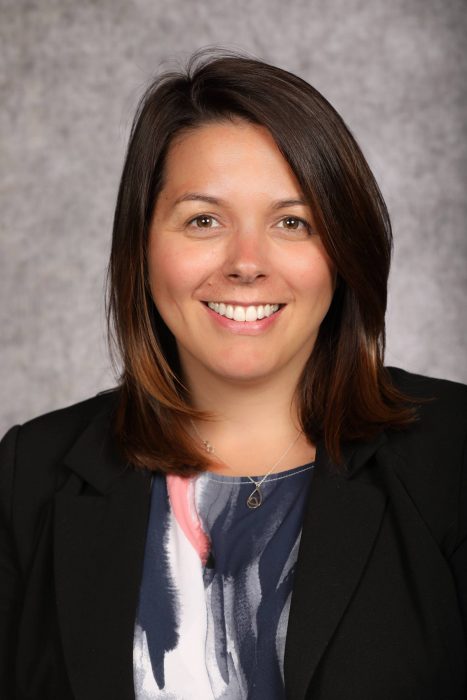 December’s mentor of the month is Kathy Yerex
What is your position title and where do you currently work?
Associate Professor, School of Dental Hygiene, College of Dentistry, University of Manitoba
Briefly describe what you do in your current occupation:
I’m an educator and researcher in the field of oral health. I teach in the classroom, lab and clinical settings, mentor students, and collaborate on research projects focused on Indigenous children’s oral health, the oral microbiome, and improving the learning experience in dental hygiene education. I’m also actively involved in professional committees and associations to support the growth and advancement of the profession.
What initially sparked your interest in the career you have chosen for yourself?
Growing up, I had positive experiences visiting the dental hygienist and dentist. I know not everyone feels that way, and I wanted to create an environment where people feel safe and comfortable accessing care. I also really enjoy working with my hands; I’ve played piano my whole life, I love crafting, and I’ve recently started beading. Dental hygiene just made sense; it allows me to combine my love of helping others with hands-on, precise work.
What are some lesser-known duties or work outcomes your role is responsible for that people may not be aware of?
There’s a lot that happens beyond teaching. I do research, mentor students outside of class, serve on various university and professional committees, and contribute to curriculum development. I also spend a lot of time exploring new ways to teach and support learners—whether through incorporating technology or adapting to students’ individual needs.
What do you enjoy most about your job?
I love that I’m always learning something new. Whether it’s in my research or in the classroom, there’s always something to explore. I get excited about trying new ideas, seeing how they work, and then tweaking them to better support students or improve care. Sharing what I’ve learned with others is what keeps the work meaningful.
What are some changes you’ve experienced in your field, or changes you anticipate happening in the near future?
There’s been a big shift toward more autonomy and independence in dental hygiene. We’re increasingly being recognized as primary health care providers. There’s also a stronger focus on person-centred care and the oral-systemic link—understanding that oral health is deeply connected to overall health. I’m excited to see the profession evolve in ways that allow us to contribute even more broadly to health care teams and community health.
What are some strengths, specialties, and characteristics that are considered assets in your field?
Dexterity and attention to detail are definitely important, but so are empathy, compassion, curiosity, critical thinking, and good communication skills. Being open to change, collaboration, and willing to advocate for your patients are all key. A genuine desire to support people in living healthier lives really helps you thrive in this field.
What is a piece of advice you would offer to Indigenous students interested entering your field?
We need you in this profession. Your voice, experiences, and perspective matter and they’re deeply needed to create safer, more inclusive care. If you’re interested in dental hygiene, don’t be afraid to ask questions, seek out mentors, and take up space. You belong here.
Are there any resources you feel could support Indigenous students interested in this career path?
The Indigenous Student Centre at the U of M is a great starting point, offering cultural, academic, and community support. I also highly recommend Ongomiizwin Education within the Rady Faculty of Health Sciences. It’s a welcoming space for First Nations, Métis, and Inuit students studying in health-related fields. They offer academic and personal support, mentorship, access to Elders and Knowledge Keepers, cultural programming, and a strong sense of community.
Programs like this mentorship initiative are also incredibly valuable, as are connections with Indigenous faculty and peers. And I encourage students to explore professional associations like the Manitoba Dental Hygienists Association (MDHA) or Canadian Dental Hygienists Association (CDHA) to start building their professional networks early. There is more support out there than you might expect—sometimes you just have to ask.
Within your industry or field, what are some related occupations that you interact with and/or find interesting?
I work interprofessionally with a wide range of health professionals: nurses, pharmacists, physicians, and those in med rehab, to name a few. Dental hygienists don’t just work with dentists. We play a key role in health promotion and disease prevention across all demographics, so we’re finding ourselves part of more interdisciplinary teams, which is a really exciting shift.
During your career journey what support(s), resource(s), and/or event(s) influenced your decision-making process?
Mentorship and community have been important. I’ve also benefited from being involved in professional associations and committees early on. While I don’t think of myself as an “advocate” in the traditional sense, I know that by showing up, volunteering, and being part of the conversations shaping our profession, I’m helping move things forward. That sense of purpose has helped guide my path. And reconnecting with my Red River Métis identity helped me find purpose and direction in my work.
To meet with mentors like Kathy Yerex, register for the Indigenous Career Mentor Program. Explore, connect and build confidence as you proceed in your career journey!
If you are an Indigenous professional interested in sharing your story and connecting with students, consider volunteering as a mentor in the Indigenous Career Mentor Program.