






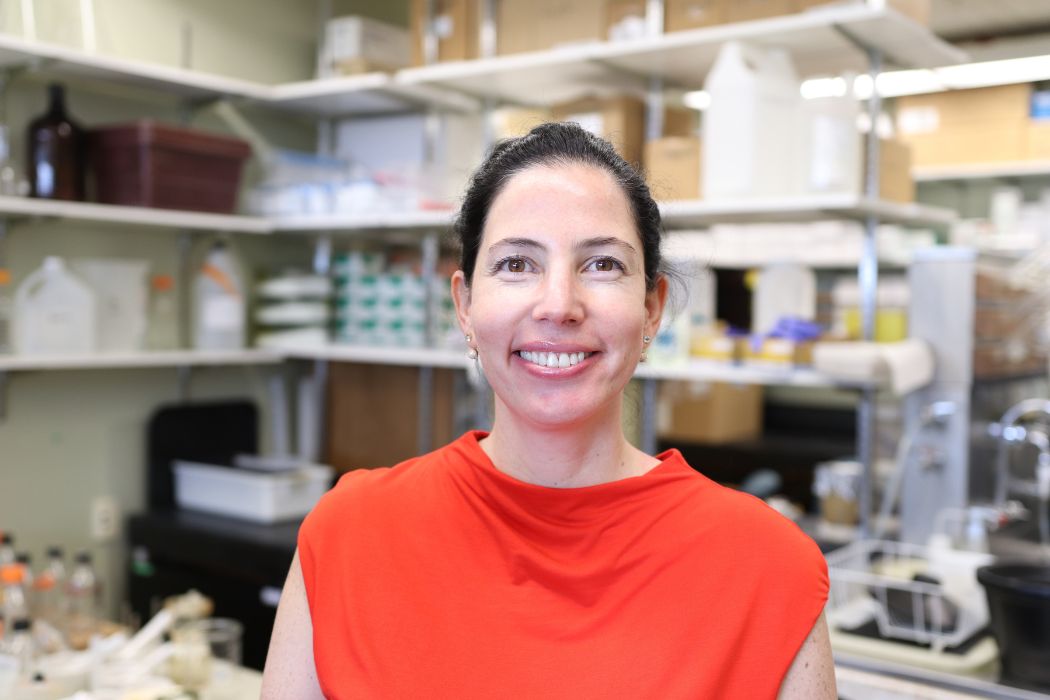
Dr. Zulma Rueda in her University of Manitoba lab.
#ZeroHIVStigmaDay: UM researchers highlight urgent need to address HIV stigma and care gaps
This #ZeroHIVStigmaDay, University of Manitoba researchers are working to reduce stigma and improve HIV care through science, collaboration with community, and the lived experience of those affected.
The team, led by Dr. Zulma Rueda, Canada Research Chair in sexually transmitted infection – resistance and control, was awarded $2.748-million in federal funding over five years (2025-2030) from the Canadian Institutes of Health Research as part of a $38-million fund to support team research on Embracing Diversity to Achieve Precision and Health Equity.
“When people are diagnosed with HIV, it is a big added challenge to a long list of challenges,” said Rueda, a clinician-epidemiologist and associate professor of medical microbiology and infectious diseases at the Max Rady College of Medicine, Rady Faculty of Health Sciences. “We’re working to understand how to better help people navigate the diagnosis and assist engagement in care.”
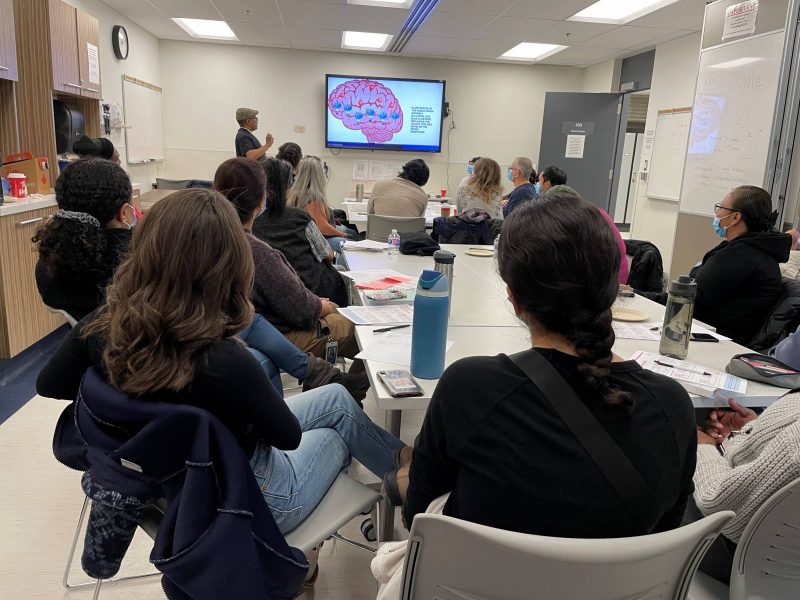
The community research team at one of the training sessions.
In 2022 and 2023, Manitoba recorded its highest-ever HIV incidence — and for the first time, more women than men were diagnosed. The province also reports some of the highest rates of syphilis, congenital syphilis, chlamydia and gonorrhea in Canada.
Rueda leads AllTogether4IDEAS, a team of experts working across disciplines — from medicine to criminal justice — to improve how HIV and sexually transmitted blood-borne infections (STBBIs) are prevented, diagnosed and treated in Manitoba.
“This isn’t just a medical issue,” Rueda said. “It requires a Manitoba-made, Indigenous- and community-led approach grounded in the voices of those with lived experience.”
What the research shows
Rueda’s team found that HIV is affecting Manitobans differently than in other parts of Canada:
- Half of people newly diagnosed with HIV between 2018 and 2023 were female.
- Females and Indigenous Peoples disproportionately experience intersecting systemic and structural barriers.
Ending HIV stigma
This #ZeroHIVStigmaDay, Rueda and her team are sharing three key facts that could change how Manitobans think about HIV:
- HIV can be prevented before and after exposure. Tools like PrEP (pre-exposure prophylaxis) and PEP (post-exposure prophylaxis) are highly effective in preventing HIV when taken as prescribed.
- An HIV diagnosis is not a death sentence. With the right treatment, people with HIV can live long, healthy lives — and cannot transmit the virus to their partners if their viral load is undetectable.
- Regular testing is key to protecting yourself and others. Knowing your status helps protect you and others. Testing is quick, confidential and a powerful step toward ending stigma.
A call to action
“For policymakers, working closely with experts across disciplines is essential,” said Rueda. “You cannot solve HIV and STBBI rates without intersectoral work — at the federal, provincial and local levels. This cannot be solved within health care alone.”
She outlined three priorities: first, investing in testing and treatment; second, addressing housing; and third, providing support for substance use (including harm reduction) and mental health.
“We identified the barriers people face in accessing or continuing HIV care,” said Rueda. “These include coping with a new diagnosis, mental health challenges, substance use, experiences of violence and compounded stigma — especially related to houselessness and substance use.
“People also encounter gaps in preventative and social supports, challenges with housing access, and systemic issues that can make navigating care more difficult. We recognize that health-care providers are doing their best under immense pressure, and part of our work is to support systems that work better for everyone.”
To learn more about the context of HIV in Manitoba, view the team’s previous infographic summarizing findings from 2018-2021: https://mbhiv.ca/wp-content/uploads/2022/11/Infographic-website-MB-HIV-Program-Report-2018-2021-FINAL-2.pdf