






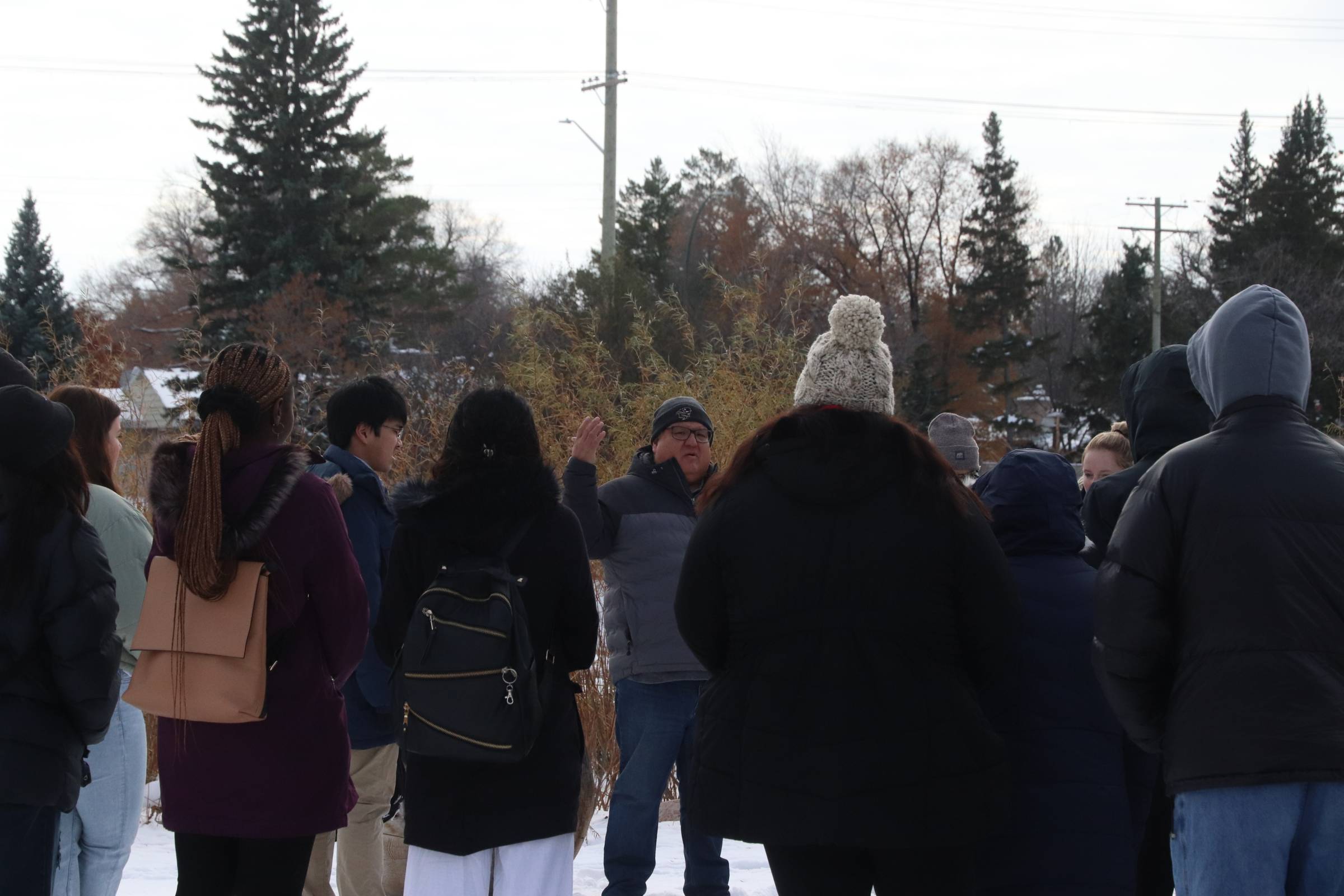
Guiding educators to Indigenous land-based learning
University of Manitoba Experts Interweave Indigenous Knowledge and K-12 Practice
A new book aimed at guiding K-12 educators in engaging with the principles and practices of Indigenous land-based education features contributions from two Faculty of Kinesiology and Recreation Management faculty members, Dr. Brian Rice and Dr. Dan Henhawk, UM’s Director of Land Based Education and Indigenous Curriculum in the Office of the Vice President (Indigenous), Nicki Ferland.
Renewal: Indigenous Perspectives on Land-Based Education In and Beyond the Classroom is the second book from editors Christine M’Lot and Katya Ferguson Adamov. The book features diverse written and visual works created by Indigenous leaders, land defenders, scholars and Knowledge Keepers to help in connecting with Indigenous perspectives on land and water.
“The goal is that a teacher can pick up this book and start to think about land-based education not as something separate from ‘education’ but as something interwoven into the whole scope,” says Rice.
M’Lot says that since the earliest stages of the book’s development, Rice has been involved. Rice, who taught M’Lot and Ferguson Adamov during his career in education, acted as a consultant for the book. He assisted in collecting and reviewing submissions.
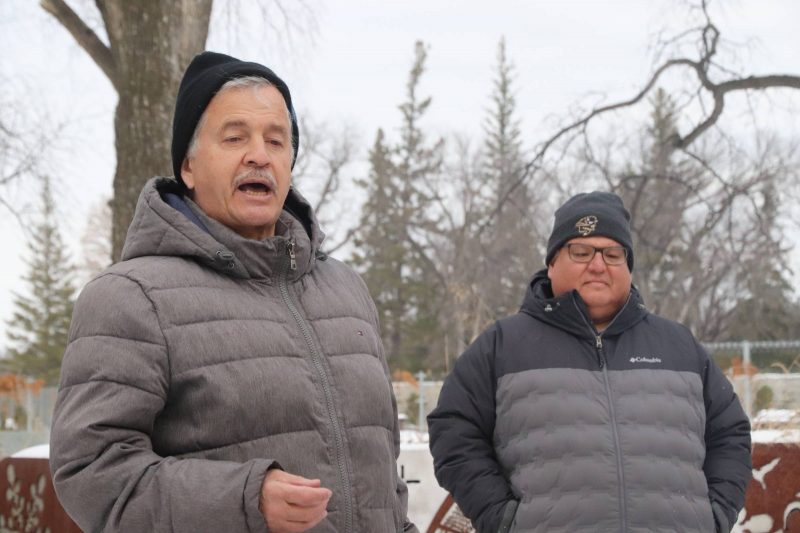
Dr. Brian Rice (left) and Dr. Dan Henhawk during an Introduction to Outdoor and Land-Based Recreation class
A career at the forefront of land-based learning
Much of Rice’s career has been spent at the forefront of land-based education, which examines human relationships to the outdoors through Indigenous ways of knowing. His dissertation even involved walking over 700 miles through Rotinonshonni territory.
“Everything is based on older concepts of living off the land, the environment, nature and the cosmos,” says Rice. “But I think it’s the first time we actually have a real book that gives a perspective on what land-based education is today and what it means to us today and why we’re doing it.”
Translating theory into accessible content
For Henhawk, exploring his work in a more practical sense became the most challenging part of the process. He says so much of his own research exists in a “philosophical space” and is geared towards post-secondary and academic researchers, that he had to shift his thinking for the context of the book.
“It was challenging but it was also rewarding, and I think the book that they put together with all the different authors is really great,” says Henhawk. “It’s going to be a valuable resource.”
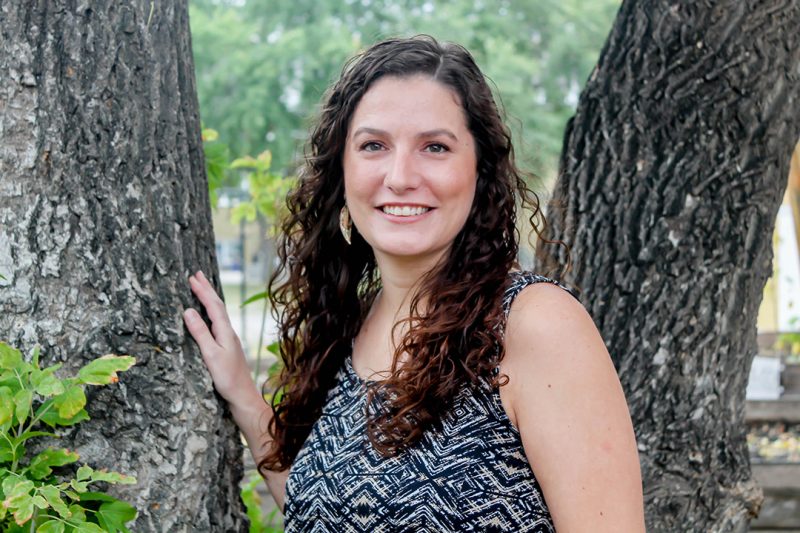
Nicki Ferland, Director of Land Based Education and Indigenous Curriculum
Ferland’s contribution to the book is more personal. She says her work is a personal essay about her experience growing up with a rural upbringing, and how moving to the city impacted her sense of belonging as a young Métis person.
M’Lot, who is an Anishinaabe educator, curriculum developer and consultant, says both editors hope the book makes approaching the topics of Indigenous land-based education more accessible, given obstacles like time and resources that teachers face day-to-day.
“Land-based education is a way of teaching and learning that works for all learners,” says Ferland. “It supports learners’ observational and interpretation skills, problem-solving, independence, and critical inquiry and reflection.”
A resource for reconciliation
Renewal was released on the heels of the 10-year anniversary of the Truth and Reconciliation Commission of Canada’s report on the history and lasting impacts of the residential school system. Henhawk says many people are still struggling with those calls to action and figuring out how to implement change, but this book might help open discussions.
“It’s all tied together, reconciliation and sustainability,” says Henhawk. “If people can even just recognize some of the histories of colonization and their impact on Indigenous peoples and the environment, then there’s a pathway forward.”
Rice says interest in Indigenous land-based education is spreading across the country, but he doesn’t think anyone is doing it quite like UM. He says that the way the university has implemented it throughout its faculty and departments is something very special.
Attend the launch event
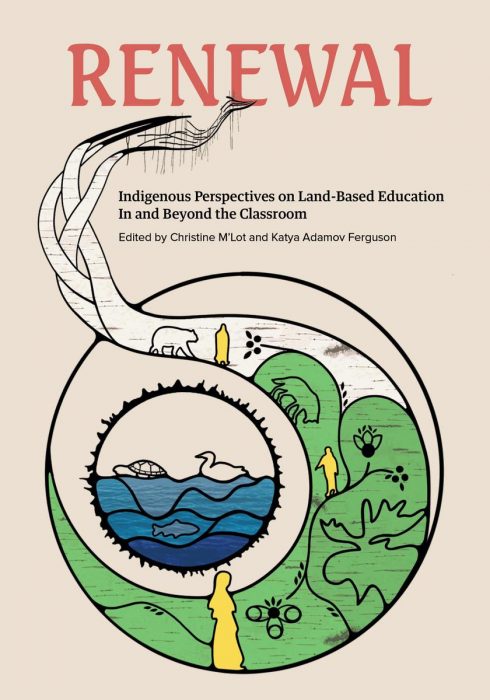 Rice will be participating in a panel discussion to celebrate the launch of the book on October 30 in the Atrium of McNally Robison Booksellers. The event will also be available as YouTube stream.
Date: Thurs, October 30
Time: 7:00 p.m.
Location: Atrium of McNally Robinson Booksellers, 4000-1120 Grant Ave, Winnipeg, MB R3M 2A6
More information: Book Launch