






Security and defence in a changing Arctic
How UM Researchers are helping Canada prepare for the North’s next chapter
As melting sea ice reshapes the top of the world, Canada’s Arctic is drawing unprecedented global attention. The region is warming at an alarming rate, extending shipping seasons and ushering in a new arena of global competition.
Since establishment in 1985, researchers at the Centre for Defence and Security Studies, have been helping Canada meet these challenges. Over nearly four decades the Centre has advised the Canadian Armed Forces (CAF) as the go to think tank for Arctic defence research, especially on protecting Canada’s vast northern frontier for NORAD and NATO operations.
The Canadian Arctic landscape
Dr. Andrea Charron, Director of the Centre and Professor in the UM Department of Political Science, is one of the country’s leading voices on Arctic security. She has co-authored numerous reports for the Department of Defence, advising on the challenges military personnel will face in Arctic.
She and senior scholar James Fergusson also lead conferences, write op-eds and books, appear in documentaries, as well as providing guests lectures and courses to prepare CAF members for deployment in the North.
“The Arctic is the world’s smallest ocean, the fasted avenue of attack and a rapidly changing landscape due to climate change,” says Charron.
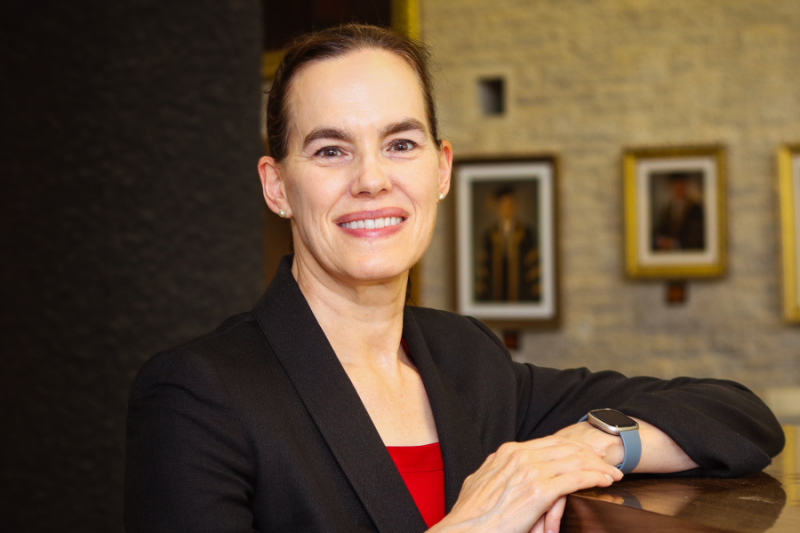
Dr. Andrea Charron, Director of the UM Centre for Defence and Security Studies.
“Many people imagine that climate warming means less sea ice, however this melting ice actually breaks up and chokes Canada’s Northwest Passage making it even more difficult to navigate. At the same time advances in technology and growing geopolitical competition are making modernization of NORAD more critical than ever.”
The Canadian Arctic makes up 40% of the country’s land mass and 72% of its coastline but is sparsely populated with only about 150,000 residents — less than 0.5% of Canada’s total population. This means that available infrastructure is few and far between, with military operations often creating deficits in energy and other critical resources for those who call the Arctic home.
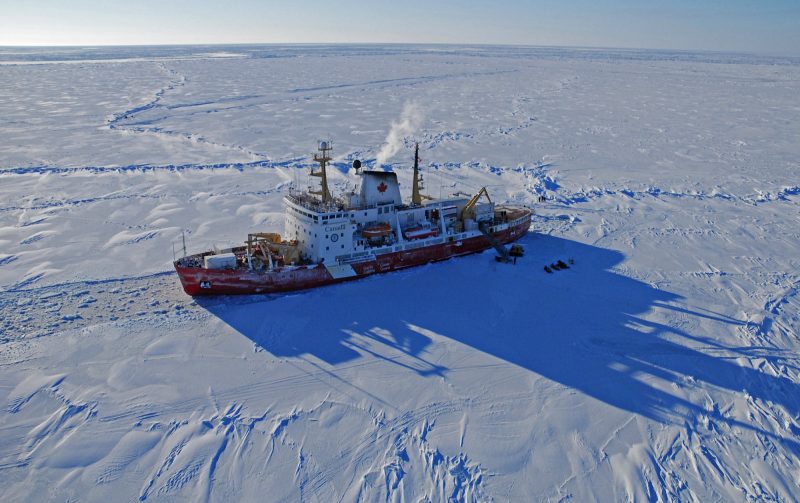
Canadian Coastguard vessel in the Arctic.
In Defence of the North
Despite Arctic climate change having unpredictable impacts on day-to-day life for Northern residents, it is events outside of the Arctic that are drawing southern Canadian public attention north. The ongoing war in Ukraine continues to threaten expanding conflict between Russia and NATO allies, with the Arctic as Canada’s frontline.
“The Center approaches these challenges holistically, recognizing that we face threats across many domains, from the ocean subfloor to space, and we’re now at a stage where a whole-of society effort is needed,” says Charron.
Canada’s eyes and ears in the Arctic are the Canadian Rangers, an Army Reserve of local residents with deep understanding of the land who are the frequent first responders in search and rescue operations and other unusual events.
The Canadian Coast Guard is planning to expand operations as climate change lengthens the shipping season.
Partnership with Northern communities
Arctic residents have limited access to the fuel, medicine, schools, Internet and communication often taken for granted in southern Canada. Increased operations like training exercises or installation of new military hardware puts a strain on hamlets and residents, who have no way to replenish their supplies.
“With the recent Federal announcements that 5% of Canada’s GDP will now be spent on defence and defence related infrastructure, especially in the Arctic, my greatest hope is for this investment to directly and continuously benefit northern communities,” says Charron.

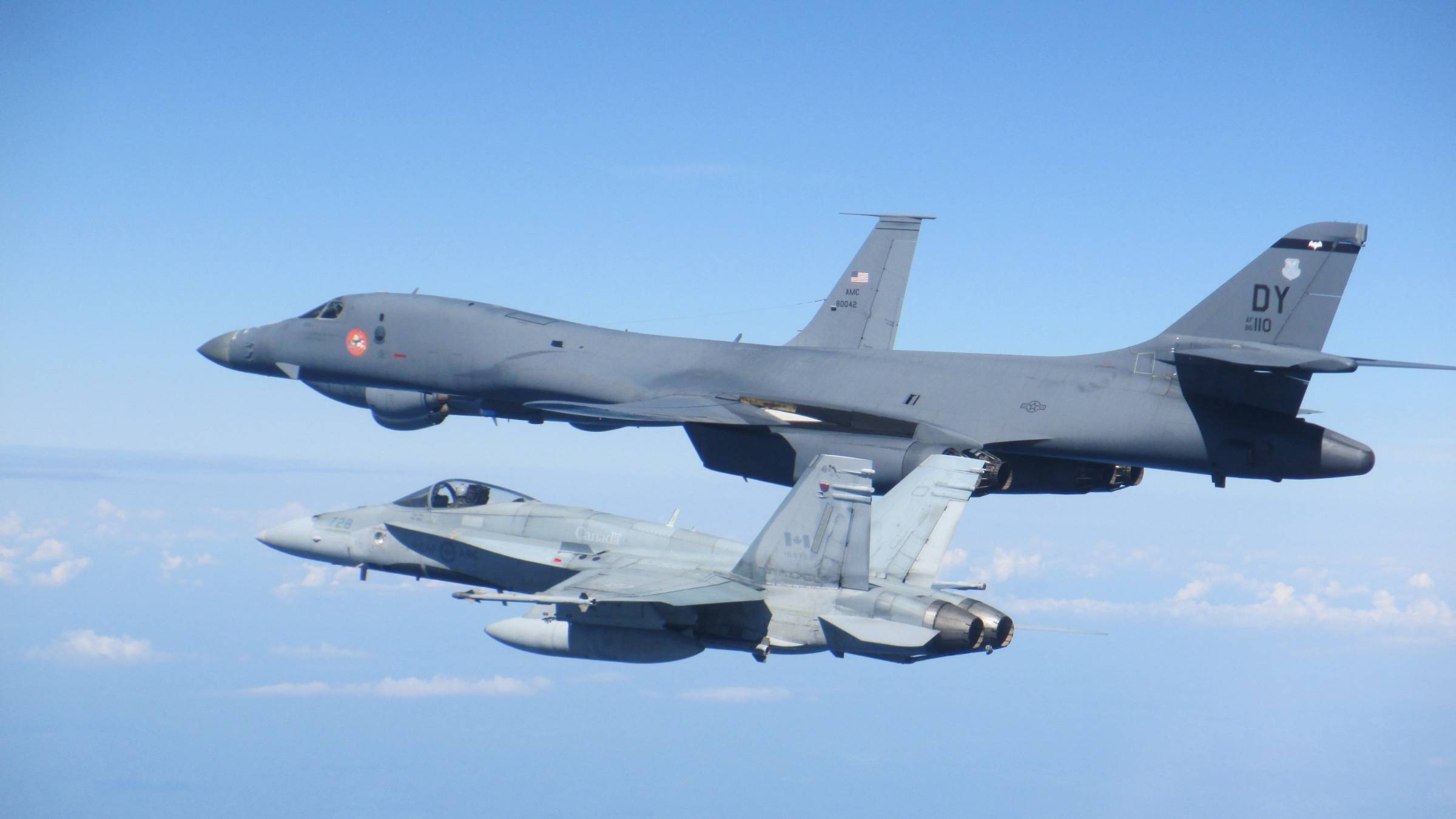
Royal Canadian Air Force CF-18 Hornet in flight.
Military operations like training exercises can interrupt caribou migrations and have other unintended consequences for Indigenous residents. Having adopted the UN Declaration on the Rights of Indigenous Peoples, Canada has a duty to consult and work with Indigenous Peoples as rights holders to adapt the approach to defense and security in the Arctic.
Every time the military surges presence in the Arctic for exercises like the five-times yearly Op NANOOK, stockpiles of resources like fuel require heated storage facilities creating logistical challenges. Thankfully, the Rangers are on hand to guide CAF members on the land and, aside from increased resources and infrastructure, Arctic security would also benefit from expanded access for residents to first responder training and tools.
“Investing in local hamlets and organizations like the Canadian Rangers strengthens both sovereignty and quality of life,” says Charron. “What is truly needed for Canadian Arctic security are healthy, active, growing Arctic communities with lots of economic potential.”
National recognition
Andrea Charron and James Fergusson were honoured with the King Charles the Third Coronation Medal in June 2025 in recognition of their contributions to security and defence policy development in Canada, especially NORAD.
“Sovereignty in the Arctic cannot be imposed from afar but must rather be led by the people and communities who live there,” says Dr. Mario Pinto, Vice-President (Research and International). “Building on longstanding relationships based on principles of respect, trust and shared goals with Arctic communities in Churchill, Chesterfield Inlet and Rankin Inlet, UM is uniquely positioned to drive the national effort for Arctic defence and security.”
Research at the University of Manitoba is partially supported by funding from the Government of Canada Research Support Fund.