






Undergraduate Research Award: Designing the Future
Twelve Faculty of Architecture students earned Undergraduate Research Awards this past summer. Valued at $7000 each, these competitive awards enable students to work with researchers of their choice on projects that develop skills, drive discovery and inspire ideas for their future studies and careers.
Involving students from all disciplinary streams across the Faculty’s Bachelor of Environmental Design Program, the URA projects encompassed diverse research areas, including: Indigenous storytelling spaces; LiDAR scanning; defining “quality” in built environments; sustainable materials; urban greenspace; mapping the urban tree canopy; and digital archiving of historic materials.
This research is advancing knowledge and fabricating a dynamic shift in design strategies; exemplifying the power of collaborative efforts and practices; and creating more inclusive and sustainable societies.
Short interviews with each student reflecting on their summer research project and experience are featured below.
The URA is supported by the Office of the Vice-President (Research & International) and the University of Manitoba Students’ Union (UMSU), along with the University’s faculties. Applications for summer 2025 will open early 2025. More information on the program is available here.
_____________________________
Dilumi Rajamanthri, ED3 Landscape Architecture + Urbanism
with Assistant Prof. Raphael Ayambire
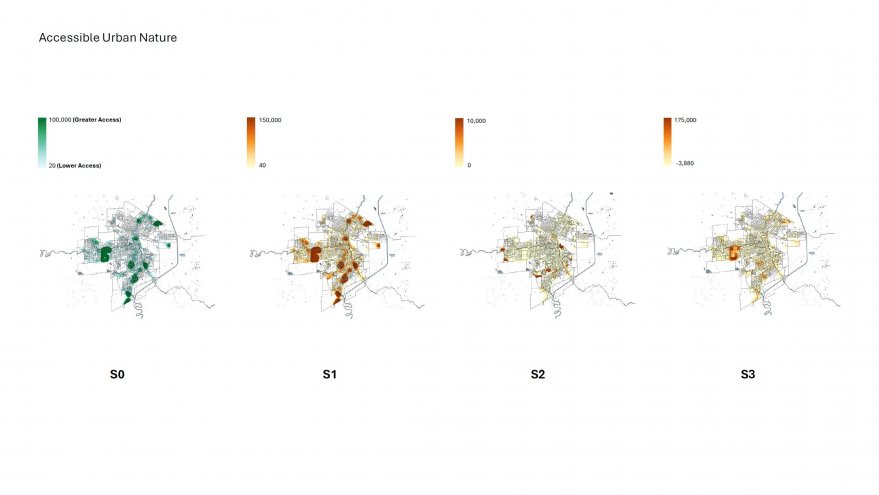
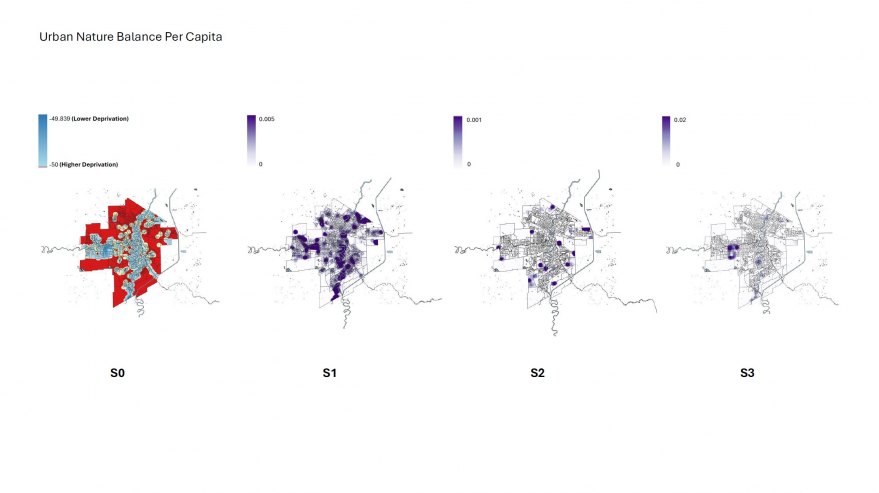
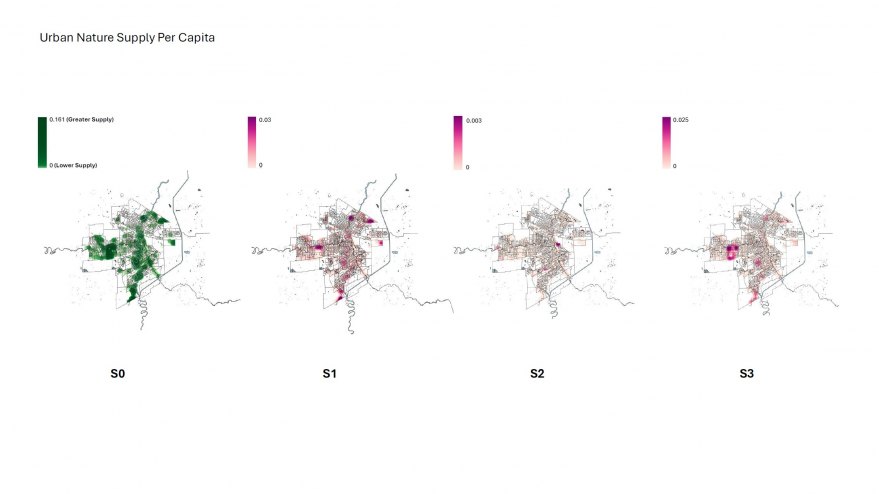
The focus of the research I conducted this summer was on access to urban greenspace (UGS) in Winnipeg. We utilized the Integrated Evaluation of Ecosystem and Trade-off (inVEST) tool, specifically the Urban Nature Access (UNA) model, to evaluate urban nature based on spatial distribution, naturalness of UGS, population density, and per capita demand. The model requires spatial data and census information to map both the supply and demand of urban nature. This informs us whether the supply of UGS meets the population demand. Urban nature supply is defined by size, type, quality, and proximity of green space, while policy targets of population preference are determined by demand. Our research evaluated demand on the total area of accessible UGS required to meet policy targets.
The City of Winnipeg’s 2021 Park Strategy targets are: (1) all residents should have access to UGS within 600 m walking distance from their residence; (2) each resident should have access to an average of 50 m2 of UGS. To compare the effectiveness of the various urban greening strategies, we tested a total of three future UGS scenarios. Scenario 1: enhance existing UGS by increasing the naturalness score. The naturalness score of UGS is an essential parameter in UNA. For our study, the UGS naturalness was determined by two metrics: average height and standard deviation of trees of a given UGS. This classification allowed for a standardized interpretation of UGS quality across Winnipeg. Scenario 2: implement new UGS in accordance with Winnipeg’s planning policy, and Scenario 3: increase the existing UGS by 30%. The baseline results concluded that Winnipeg does not meet the current targets set by the city. The scenarios yielded positive outcomes, but these results were very marginal.
Although the entirety of Winnipeg does not meet the demand for accessible UGS, some neighbourhoods have better access compared to others. This research was helpful in addressing social equity, as larger, mature UGS are often located in affluent areas and perpetuate inequalities with lower-income neighbourhoods. Another factor to consider is the rise in climate change, with marginalized communities usually at a higher risk for exposure to environmental hazards. To address these disparities, future scenarios could target these areas by converting vacant lots/ vacant parking lots into greenspaces or enhancing streets with the planting of trees.
This research intrigued my interest in future studies that can explore the relationship between human health and urban design, particularly how city planning can influence human behaviour and address disparities in social equity.
_____________________________
Ileah Valverde-Nelson, Environmental Design Year 2
with Prof. Marcella Eaton
Early Years | Institutional Memory | Landscape Architecture, Environmental Design | FAUM
Tell us about the research you have been doing this summer:
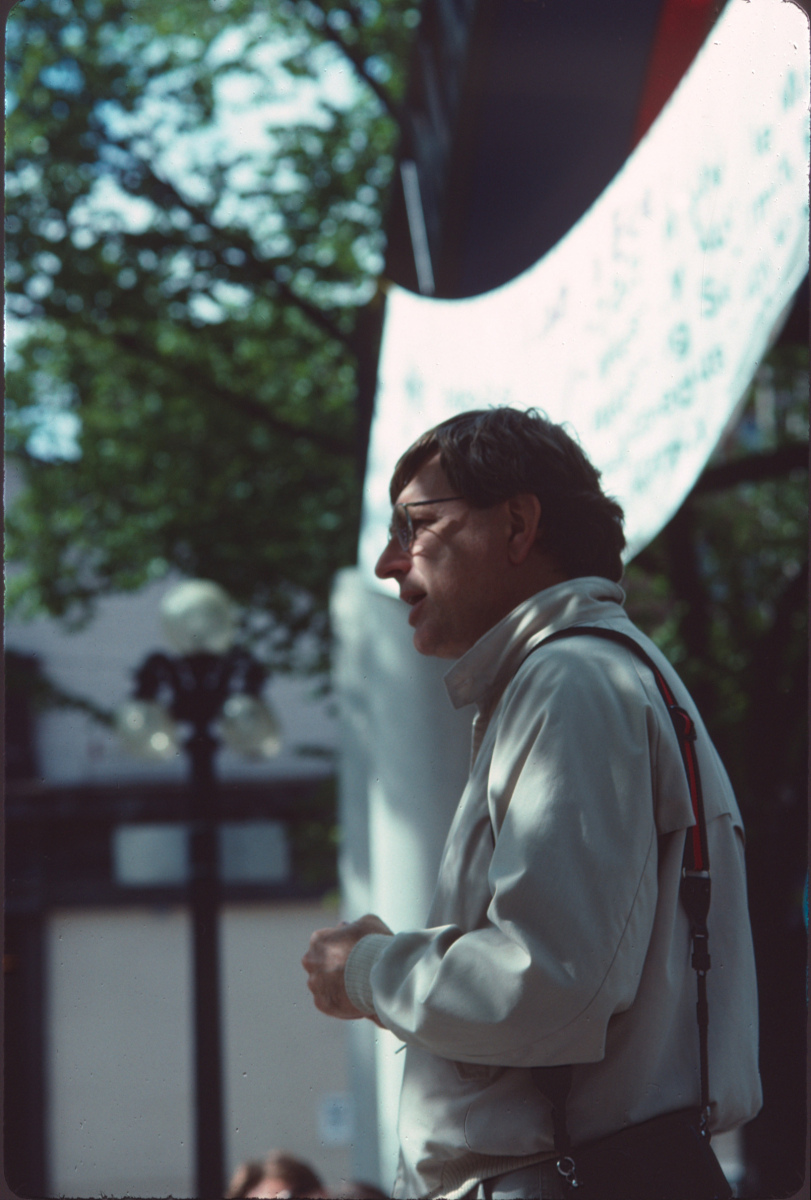
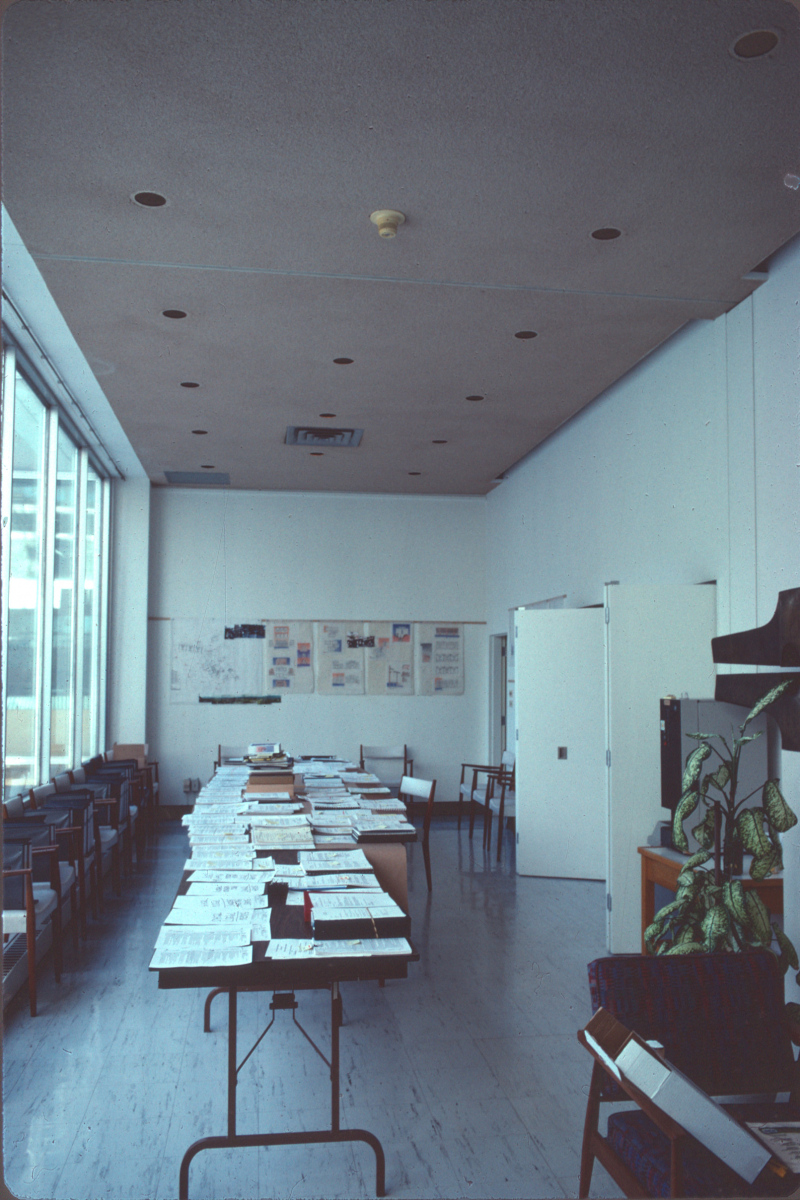
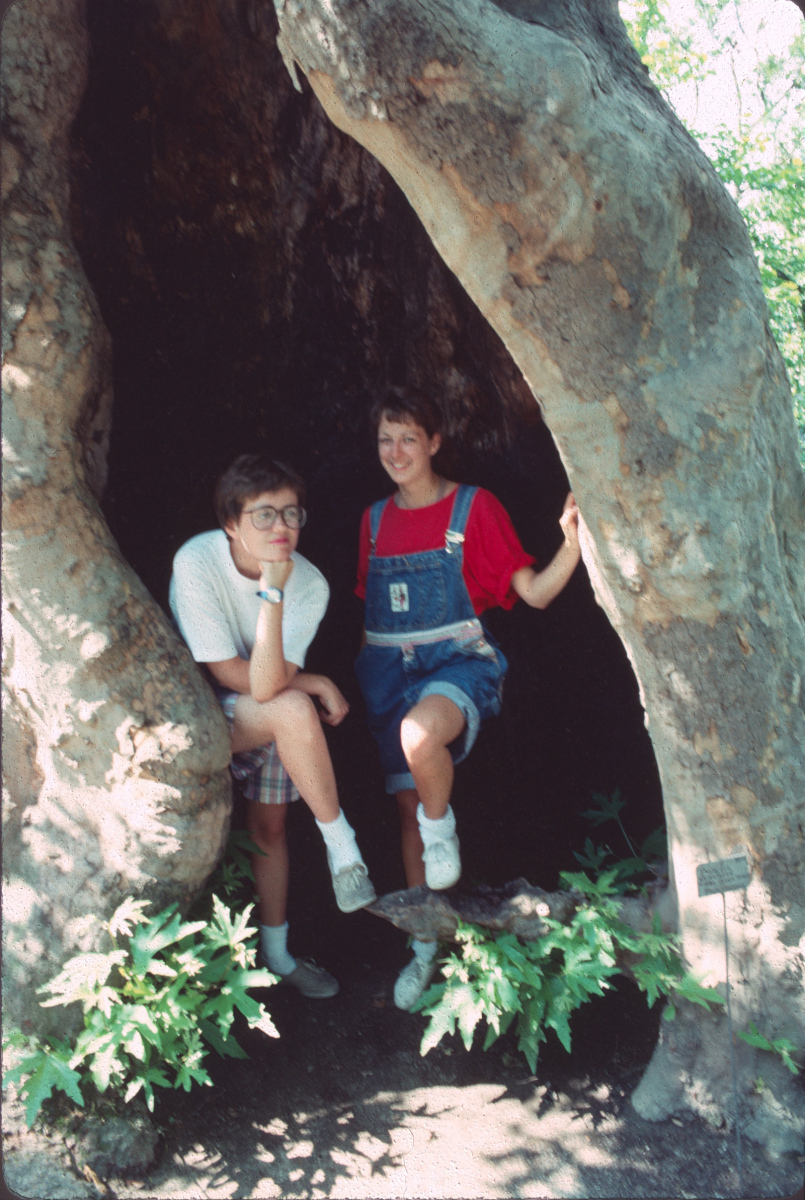
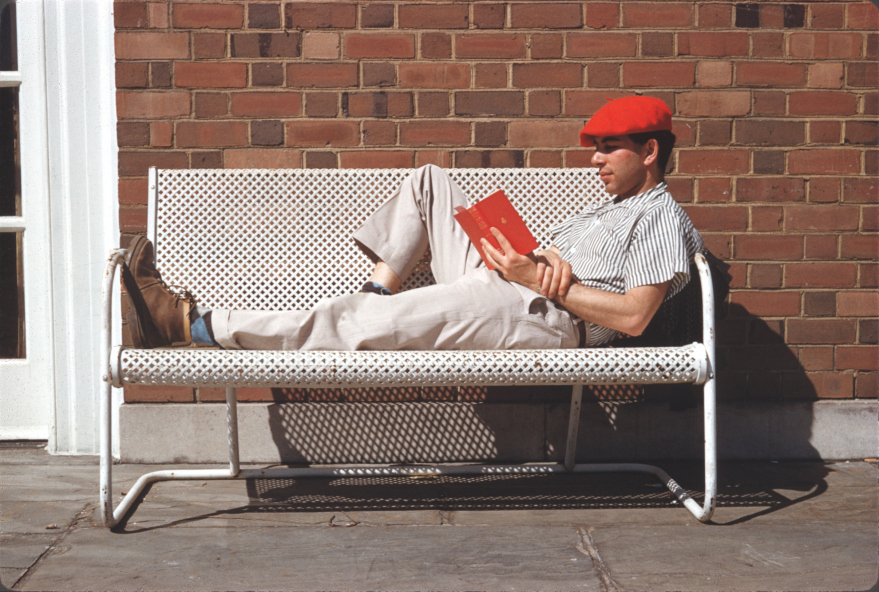
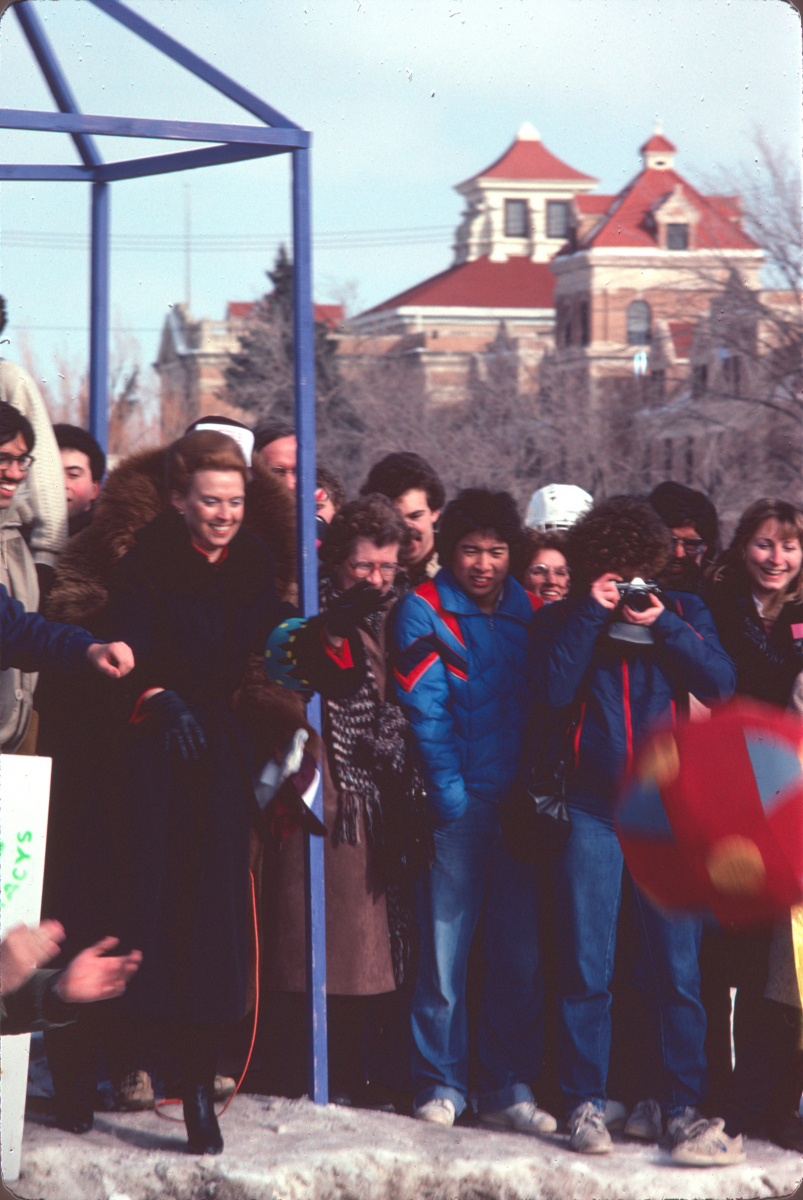
My summer research project involved working through a variety of historical material from the Department of Landscape Architecture’s storage. This included notes, lectures, drawings, and national design boards from competition work. My tasks included organizing and digitizing these documents, and working with Professor Thomsen and Eaton to determine suitable locations for long-term archives.
What have you found the most intriguing?
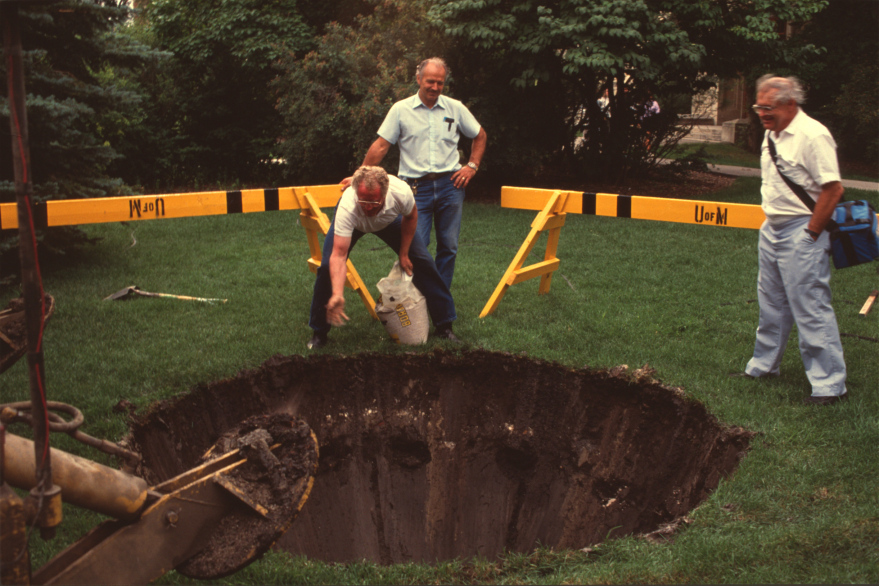
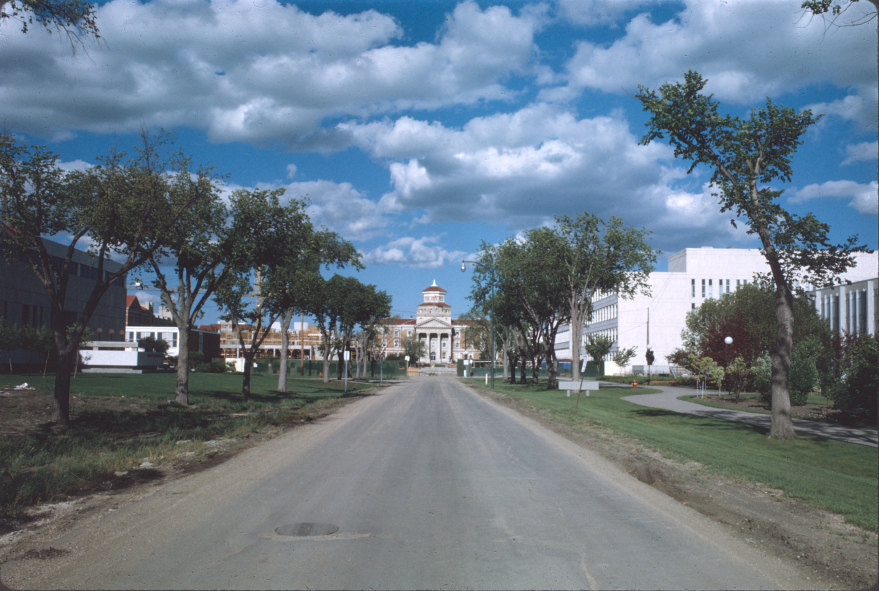
History has always been an area of interest to me, and it is essential to learn about it to understand the present and navigate the future. The most interesting part was viewing old slides and seeing the way the world looked 30-60 years ago. Photography, in its own way, is a form of history preservation. The thing I found most interesting about these old photos was the sense of warmth that emanated from each one, as there is a certain quality in old photos that we lack now with the HD quality you can achieve with cameras and even your phone, the quality being a certain human touch. Photographs were composed and considered much more than now, as the delayed ‘output’ and cost associated required a studied way of looking and recording than now. This unique human touch in old photos allows us to feel a connection with the past. I also learned a great deal about the individuals and students who have gone through the program.
How has the experience opened up ideas for future research, studies or career goals?
In terms of this particular research, there is still a significant amount of cataloguing and analysis to be done; I have just begun to delve into the depths of this topic. In terms of the future, I want to continue pursuing this historical knowledge and incorporating it into areas such as my studio work, as well as my life.
How can we find out more about the research you’ve been working on?
There is still a great deal of history and work that needs to be organized. This is long-term archival work that may take years to reach a point where it is fully accessible to a broad audience. This is an open discussion, and if anyone has any questions or would like to know more, I am always happy to chat.
_____________________________
Natalie Fournier, ED3 Architecture
with Dr. Mercedes Garcia-Holguera
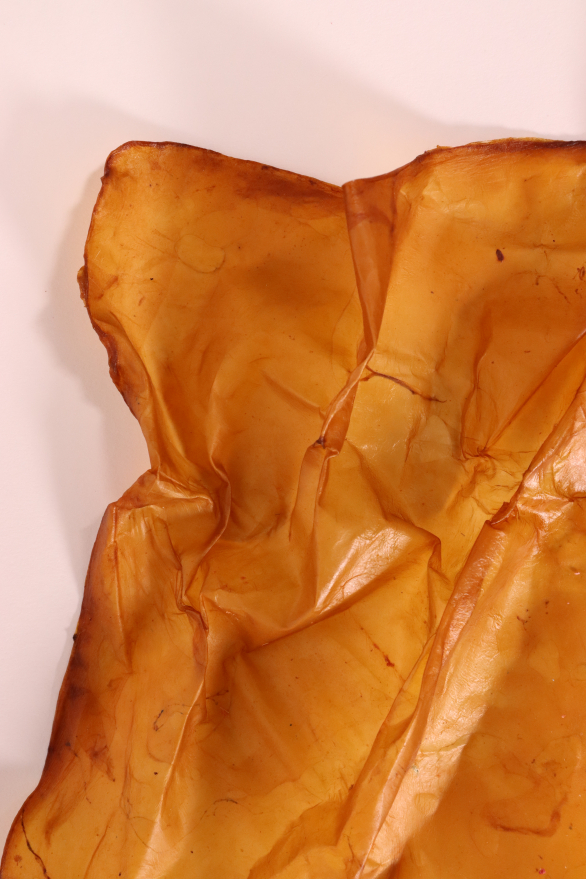
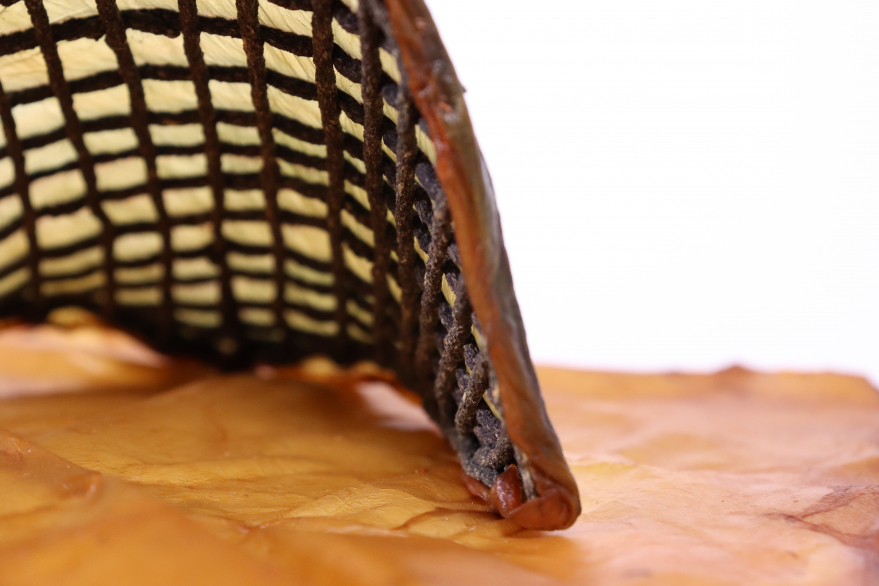
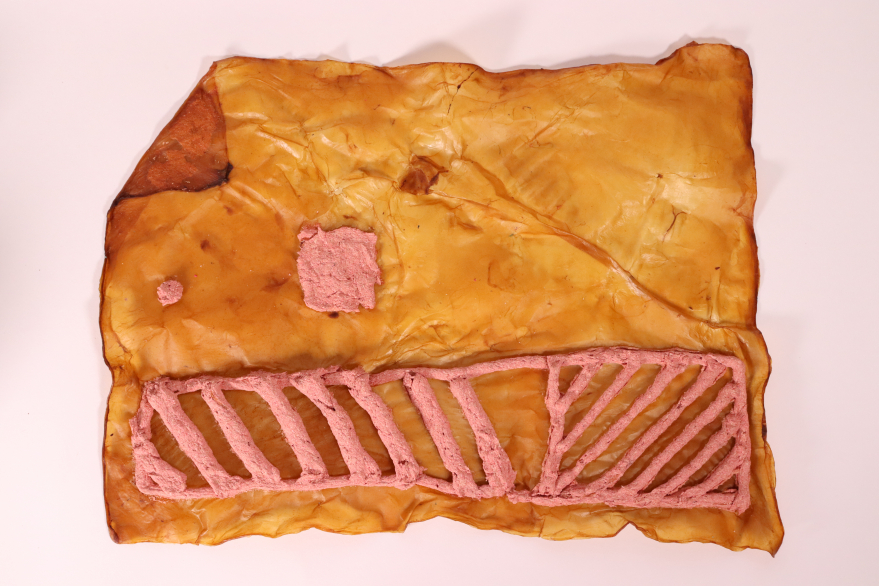
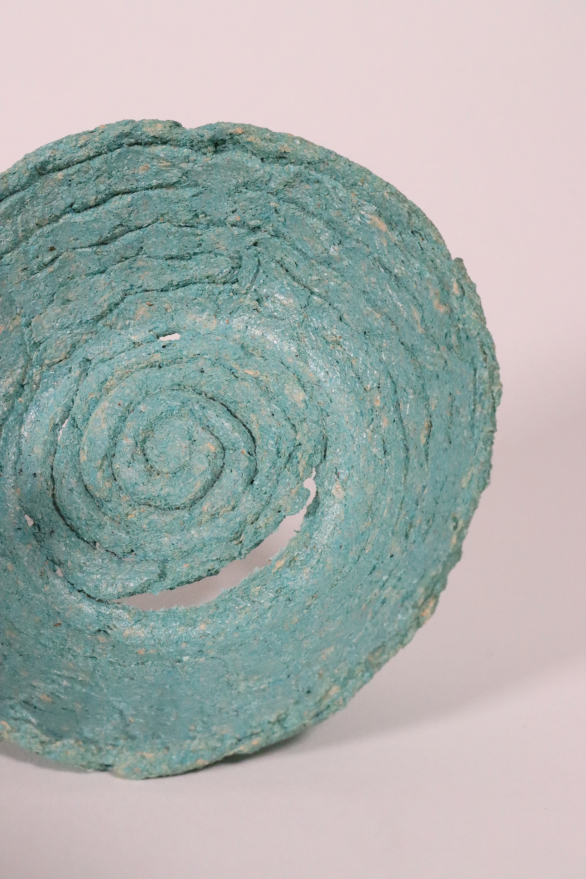
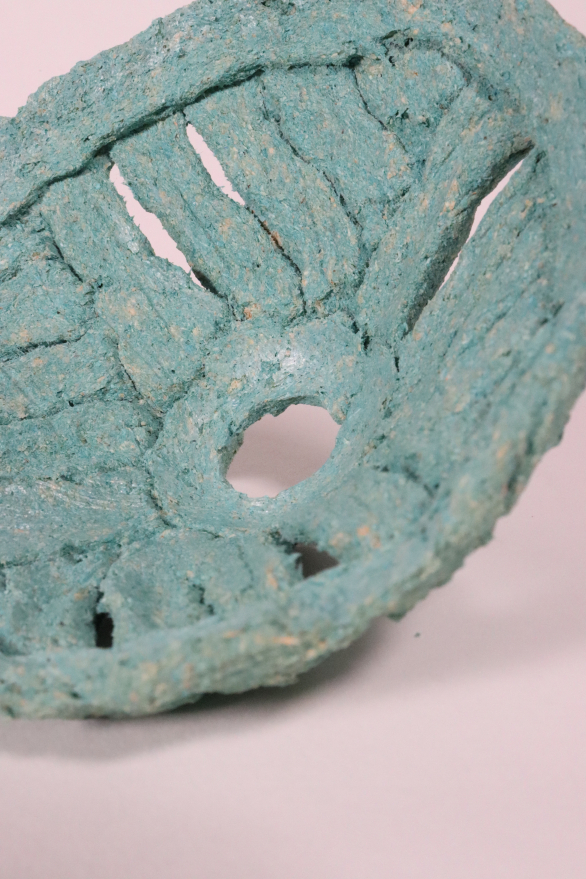
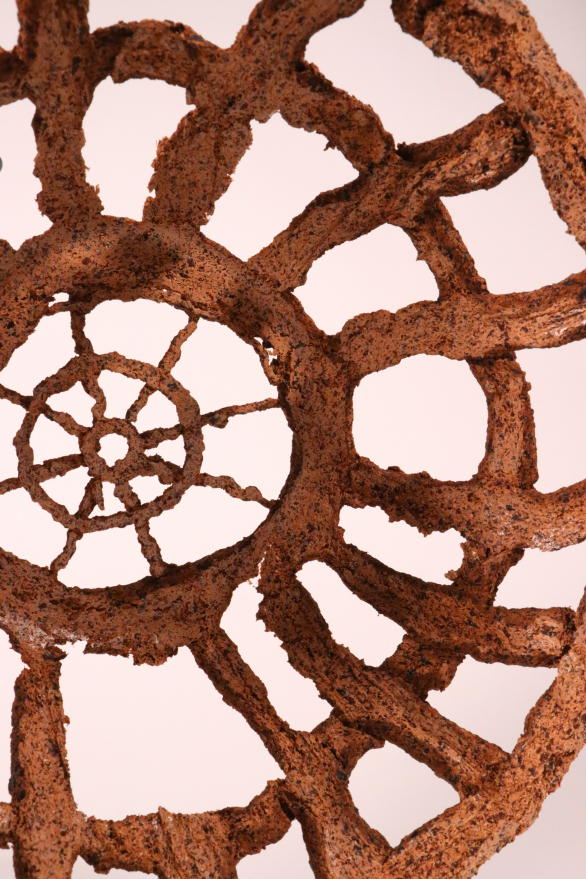
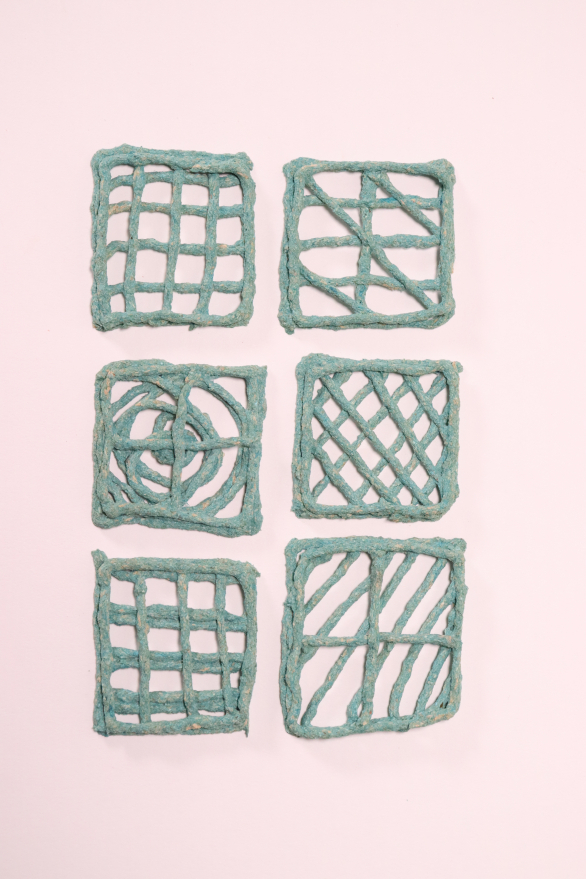
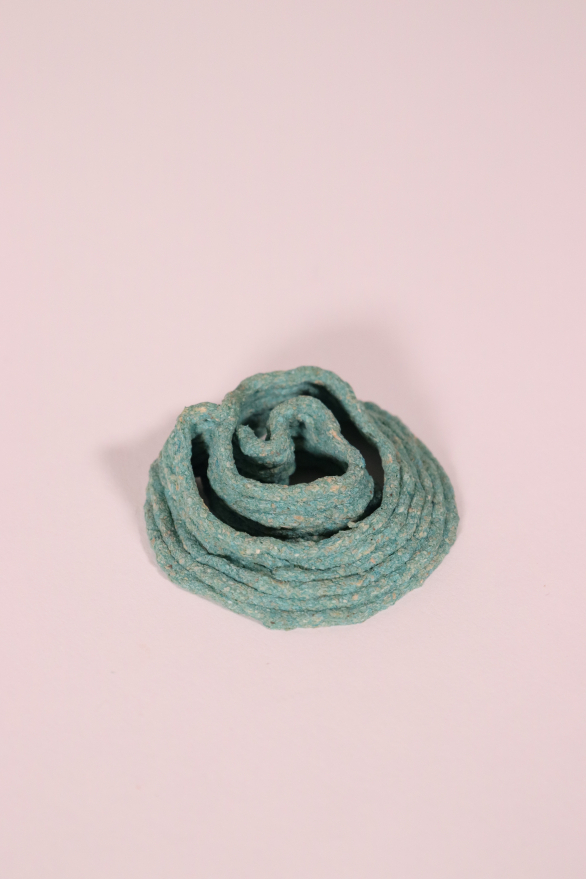
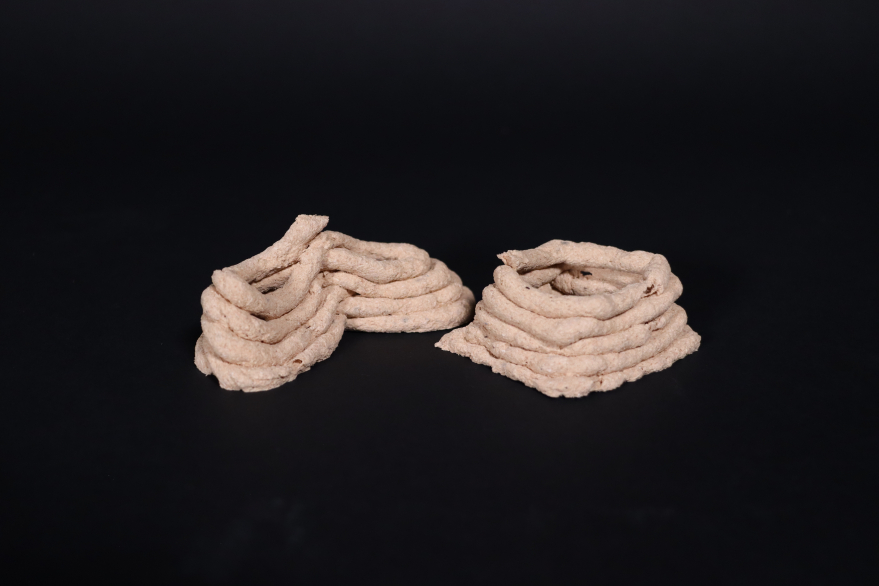
3D Printing with Bacterial Cellulose
Tell us about the research you have been doing this summer:
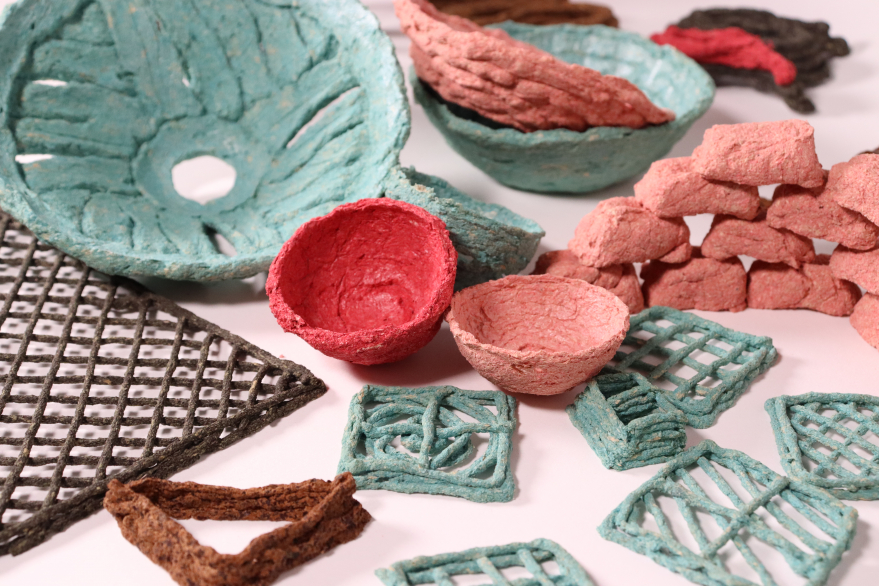
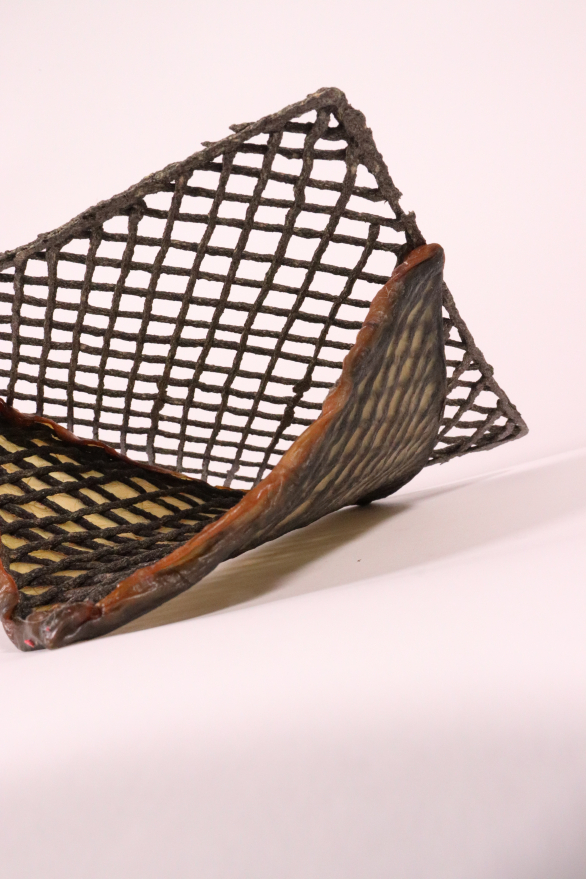
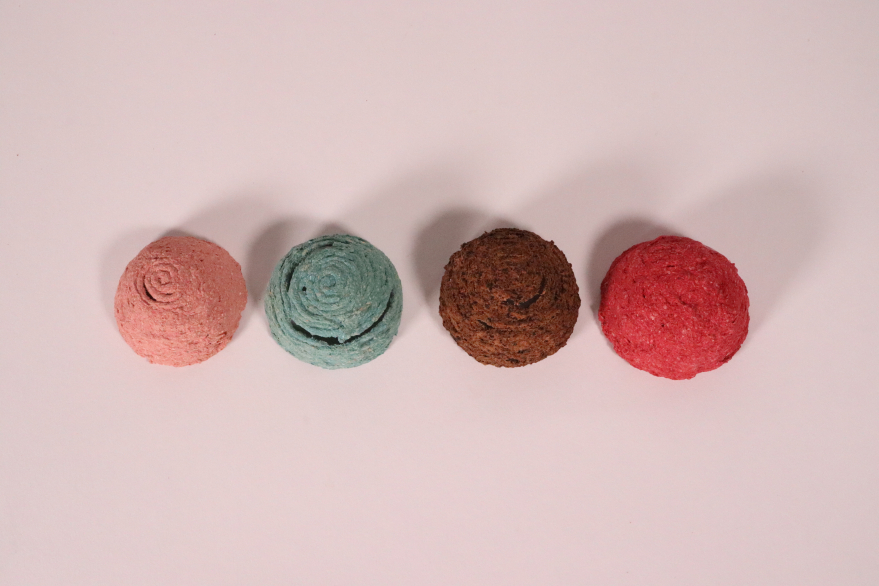
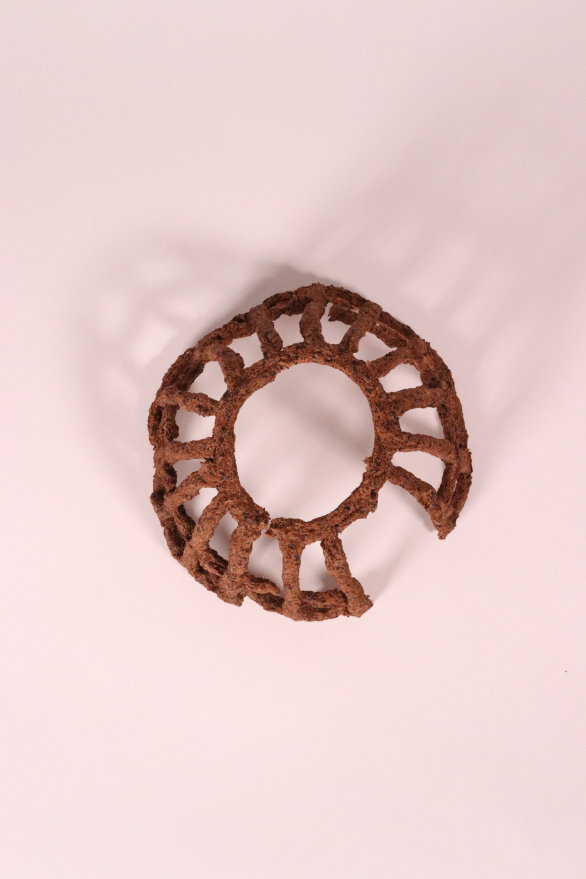
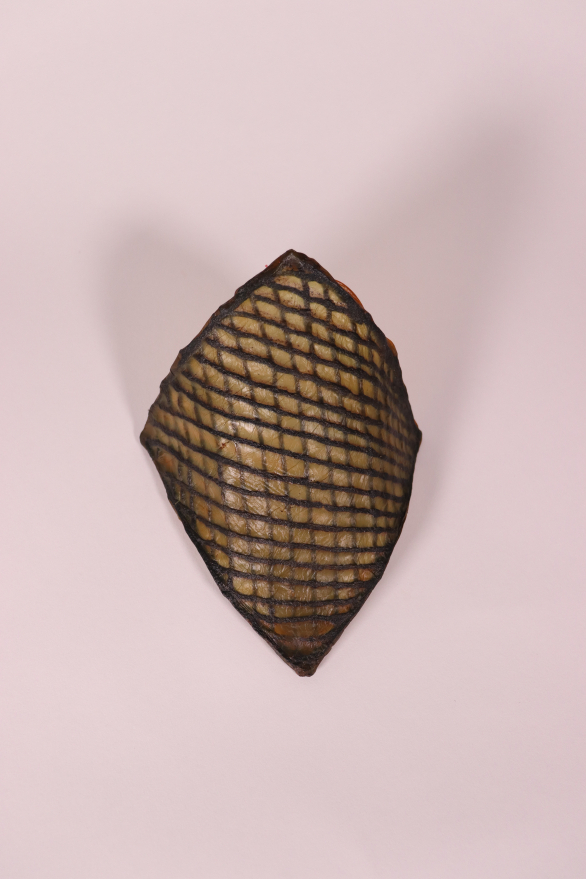
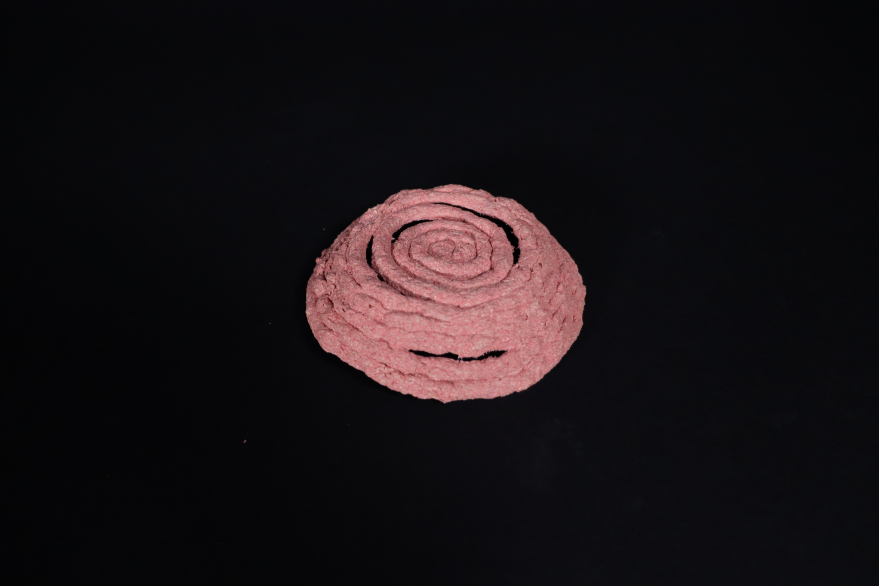
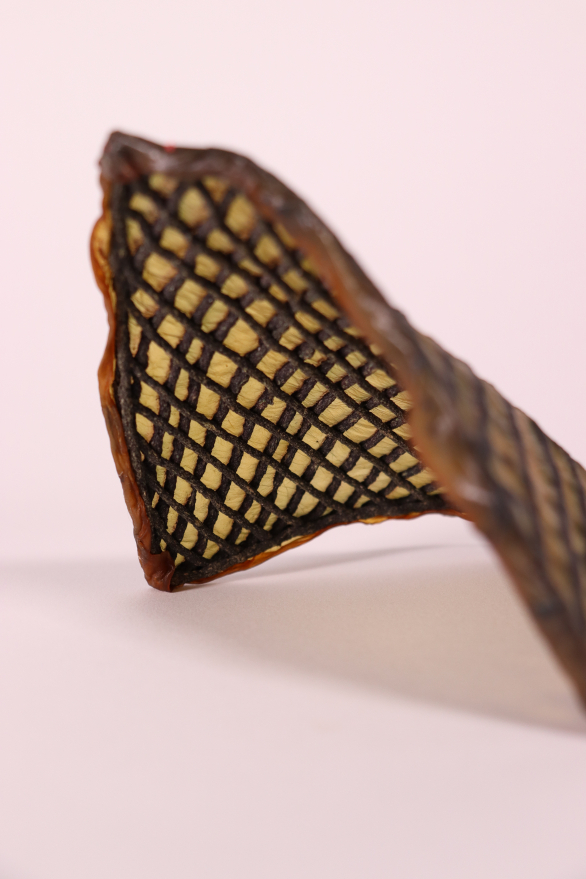
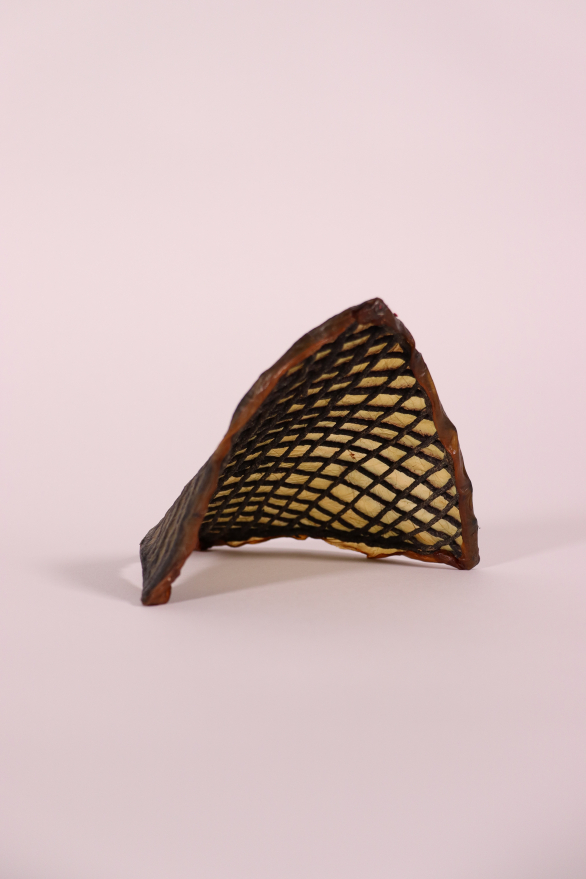
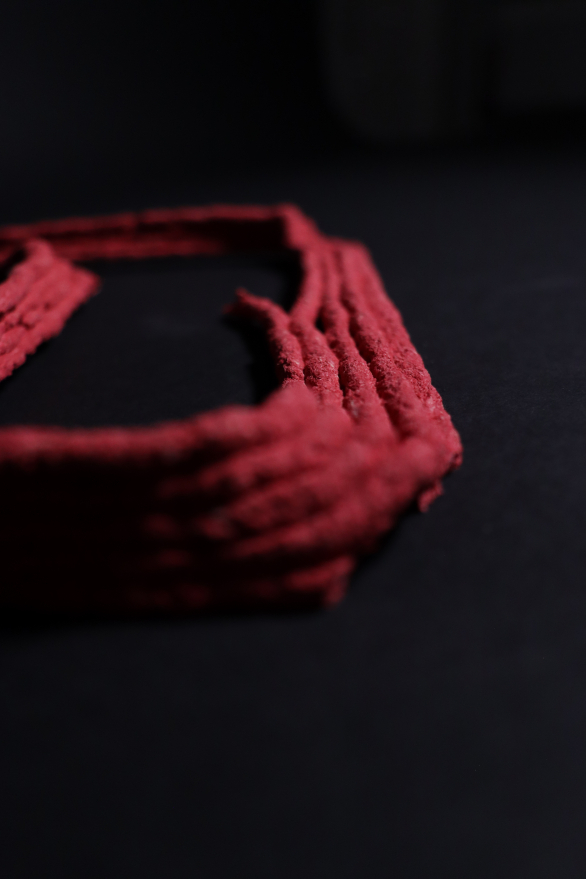
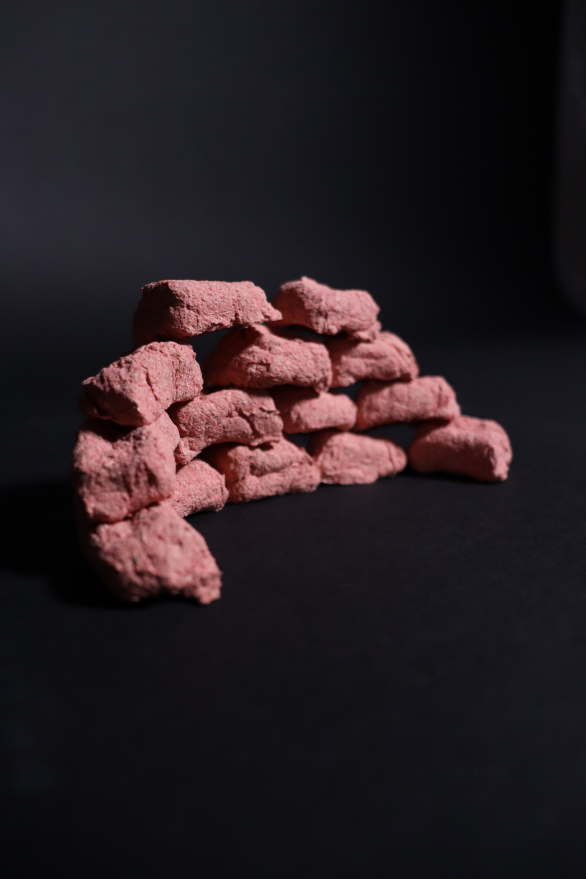
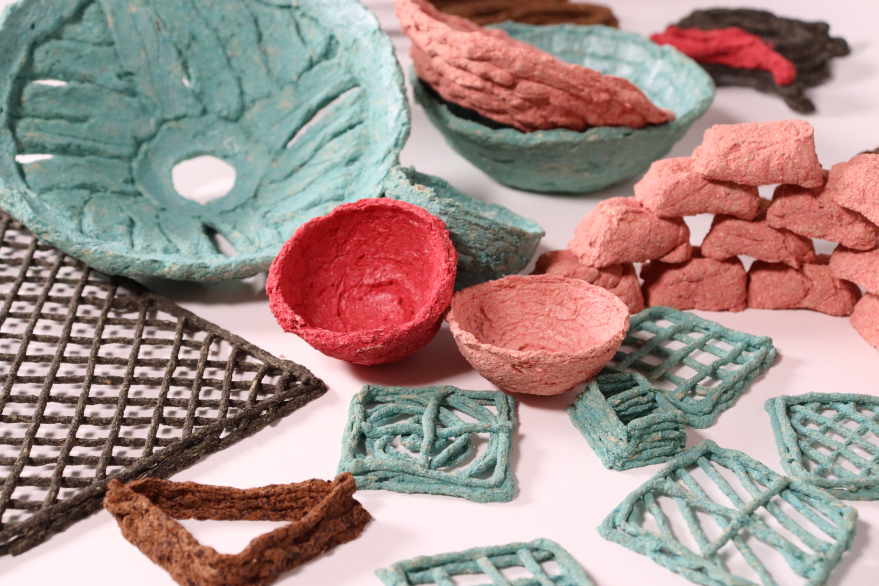
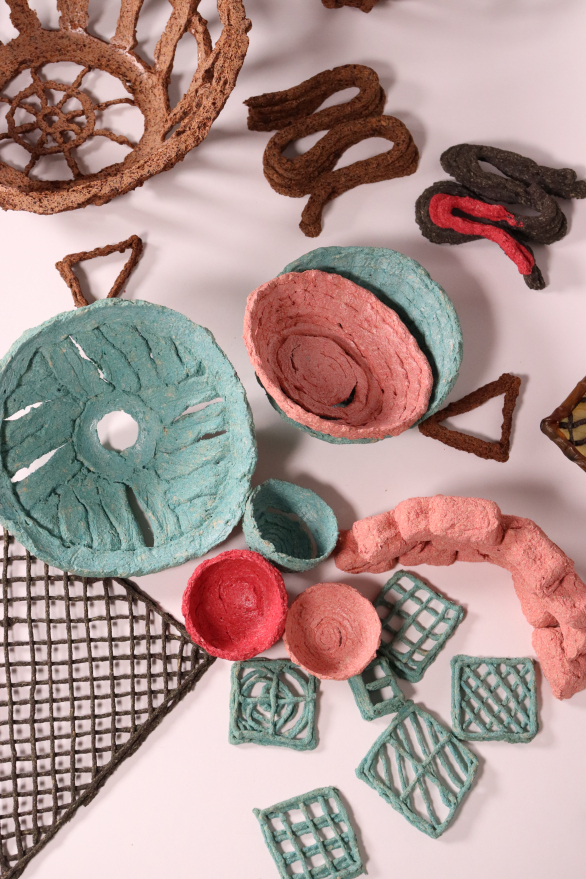
This summer, I have been testing bacterial cellulose (BC)-based pastes as a sustainable material for large-scale 3D printing in architecture. Our work focused on experimenting with different paste formulations (dry and wet trials) and testing their extrusion stability, drying performance, and resistance to shrinkage or mould. Using different nozzle sizes, we created shapes such as domes, walls, bowls, and flat patterns to observe how the material behaves when scaled up.
What have you found the most intriguing?
I found it fascinating how small changes in water content or extrusion method made a huge difference in the material’s performance. For example, the smallest nozzle created fragile structures alone, but when reinforced with fresh BC, it became surprisingly flexible and durable. It was also intriguing to see how some shapes, like domes, bonded together strongly, while others, like mini bricks, collapsed after drying.
How has the experience opened up ideas for future research, studies or career goals?
This project showed me the potential for bio-based, renewable materials in the future of sustainable construction. It also highlighted the challenges, like shrinkage and mould, that need solving before this material can be scaled up for architectural applications. For future research, we would like to test BC pastes with robotic extrusion tools and explore how this material could be used for functional building components. It has definitely sparked my interest in pursuing work at the intersection of architecture, biomaterials, and digital fabrication.
How can we find out more about the research you’ve been working on?
You can learn more by visiting our website at https://www.biomlab.ca/ and following us on Instagram at @biom_lab.
Is there anything else you would like to add?
BC is a material that can be grown, shaped, and recycled, which makes it an exciting alternative to conventional construction materials. This research is still in its early stages, but it demonstrates that biological materials can play a real role in how we design and build the spaces of the future.
_____________________________
Hanan Alahmad, Environmental Design Year 2
with Dean Mira (Mimi) Locher
Exploring a Vision: Indigenous Storytelling Space at Brandon University
Tell us about the research you have been doing this summer:
This summer, I had the privilege of working on a community design project: the early-stage research for a proposed Indigenous Storytelling Space at Brandon University’s Faculty of Education. The vision for the project is to create a cozy, welcoming, and inclusive environment that supports drumming, storytelling, and gatherings, while strengthening connections to nature and community traditions.
My research combined cultural and historical learning with design exploration. I studied Brandon’s local history, the university’s background, and storytelling traditions, and I created sketches, AutoCAD and Rhino drawings, and a color/materials catalog to explore different design directions. I also participated in site visits and feedback sessions. I feel very fortunate to have been part of this process. It gave me the chance to grow as both a learner and a designer.
What have you found the most intriguing?
The most intriguing part of the project was discovering how cultural traditions can directly shape design. I realized that storytelling is not just about language it’s about space, rhythm, gathering, and connection. Translating those traditions into design concepts, such as circular gathering areas or fire spaces, was both challenging and inspiring.
How has the experience opened up ideas for future research, studies, or career goals?
This experience showed me that architecture is about much more than creating buildings, it’s about shaping environments that support people, culture, and community. Over the past four months, I discovered how research, history, and collaboration can transform design into something deeply meaningful.
It also inspired me to begin working on my dream project: designing a community café. I want to bring everything I’ve learned about creating warm, inclusive, and flexible spaces into that design. This project showed me how design can be a tool for connection whether in a storytelling space or a café, and it gave me greater confidence in the path I want to pursue as an architecture student
How can we find out more about the research you’ve been working on?
The project is still in its early stages and has not yet been shared publicly. However, I will be presenting my poster about the Indigenous Storytelling Space at the Research Showcase on October 16 at the University of Manitoba. Feel free to stop by and learn much more about my project!
Is there anything else you would like to add?
What I value most about this experience is the growth I achieved as a designer. It wasn’t just about practicing drawing or modeling, it was about learning to think differently. I discovered that good design begins with respect, curiosity, and collaboration.
I also realized how much design is about atmosphere and feeling how a space can make people feel safe, connected, and inspired. This experience taught me the importance of listening, asking thoughtful questions, and letting research guide design decisions.
These lessons will continue to shape my work, whether in my community café project or future designs. More than anything, this experience reaffirmed why I chose architecture in the first place: because it has the power to support communities, honor stories, and create spaces where people can truly flourish.
And as I carry these lessons forward, I’m reminded that design is not just about what we build it’s about how we make people feel: seen, connected, and heard.
_____________________________
Bayan Furutan Shaeri, Environmental Design Year 2
with Dr. Yuhao Lu
Scalable Urban Tree Canopy Data for Canadian Cities
Tell us about the research you have been doing this summer:
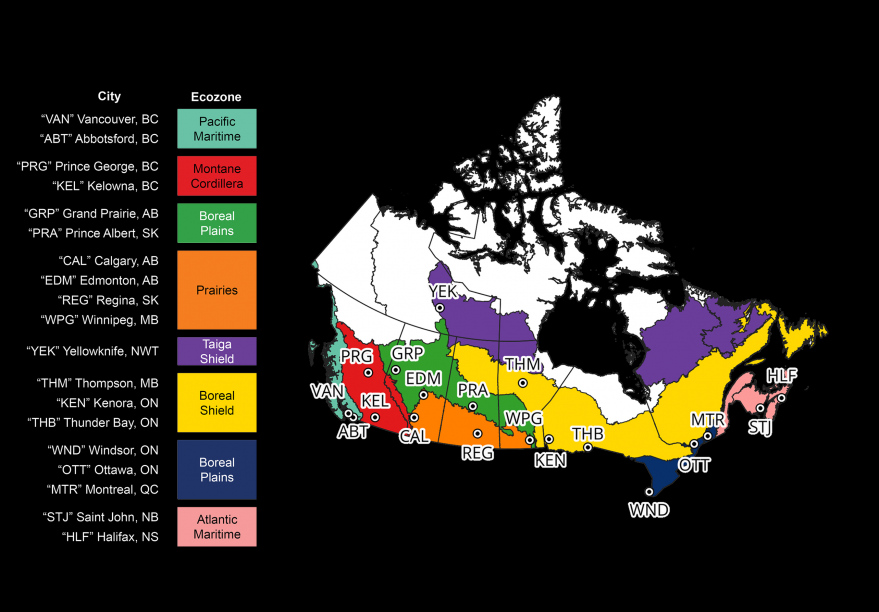
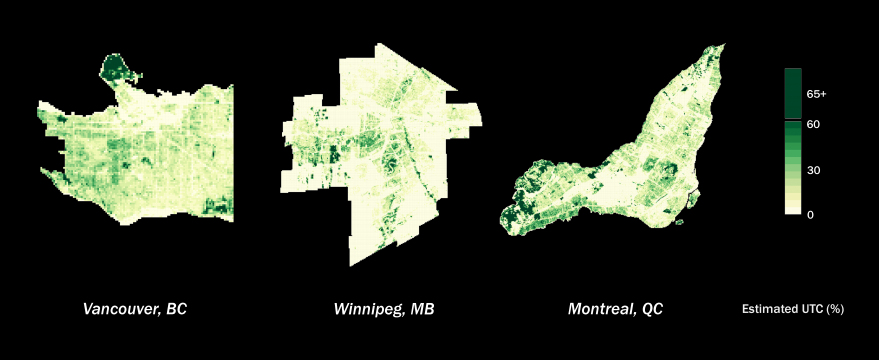
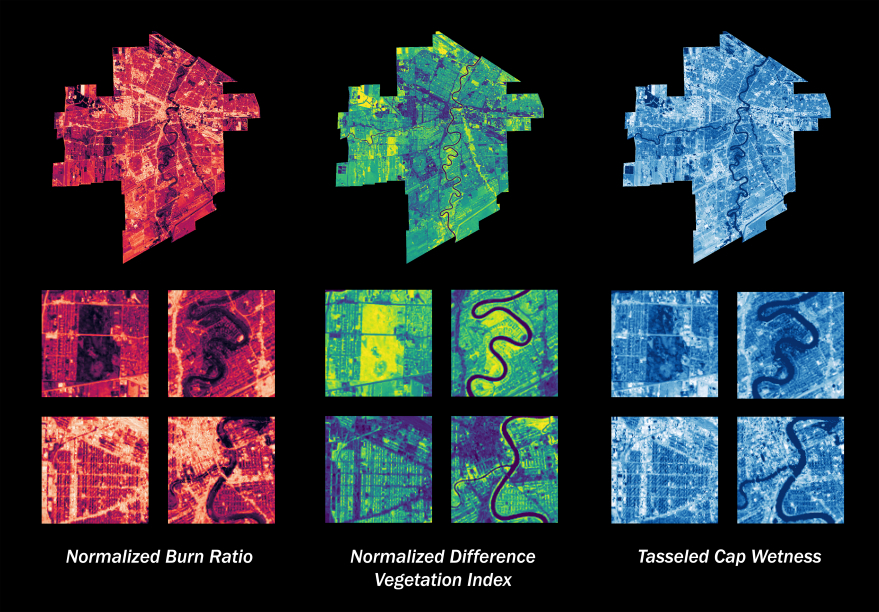
We have been creating machine learning models to map Urban Tree Canopy (UTC), defined as the share of land covered by tree crowns in cities that serve as a proxy for ecological benefits such as air filtration, carbon storage, cooling, and habitat. Using open, globally available satellite imagery, GIS programs, and statistical software, we estimated UTC for 19 Canadian cities across eight ecozones and identified which environmental variables are most influential in each city, including moisture, building form, and surface temperature. Previous approaches to estimating UTC relied on the manual tracing of aerial photographs or field surveys, which are time and labour-intensive. Our methodology introduces a scalable, reproducible, and cost-effective workflow. The resulting workflow and data are valuable for planners and researchers assessing municipal canopy distributions, assisting in tracking progress toward canopy targets, and monitoring change over time.
What have you found the most intriguing?
It was very interesting to see what open data and observations about our planet currently exist, with great spatial coverage at a relatively fine resolution. Additionally, the ability of researchers to use this spectral imagery to capture and measure environmental conditions, such as the health of vegetation through measures of plant quality, dryness, and moisture content, is expanding rapidly and reveals meaningful environmental patterns. Not only are the technological advances significant, but consultations with other researchers have been collaborative and informative. Their perspectives enrich the process, always leaving us with greater and clearer next steps.
How has the experience opened up ideas for future research, studies or career goals?
Reading about current scientific advancements through literature reviews and assessing possible directions for our work, many opportunities for further research open up as we plan to increase spatial coverage. UTC distribution also has socio-demographic implications for the quality of and access to nature, and the Canadian Census provides consistent boundaries and time intervals to examine these equity questions. Once spatial coverage is complete, we hope to extend the work temporally to investigate change over time.
I entered the faculty of Architecture, seeing design as a means to serve others. This research experience has revealed a new area of endeavour, allowing me to further contribute to the challenges I seek to address. Although less visibly declarative in its form, the contributions of scientific research resonate with the ethos of design to better the well-being of individuals and communities. The multi-disciplinary nature of prevalent socio-ecological issues allows me to contribute in a multitude of ways, perhaps simultaneously.
How can we find out more about the research you have been working on?
A web interface is available to view canopy distributions for the 19 Canadian cities included in the study. A forthcoming pre-publication manuscript, “Scalable Urban Tree Canopy Model for Canadian Cities,” will be made available. Within the manuscript are the methodology, data sources, processing tools, and code for those interested in reproducing and expanding this research.
Is there anything else you would like to add?
I would like to thank Dr. Lu for his support, and all of the collaborators behind this research: Alexander Martin, Lukas Olson, Raphael Ayambire, Txomin Hermosilla, Lucila Corro, Jay Diffendorfer, Peter Ibsen, Sophie Nitoslawski, and the URA program for providing this opportunity to learn from and along these researchers.
_____________________________
Elena Dobrowney, Environmental Design Year 2
with Dr. Shauna Mallory-Hill
Community-Led Pathways to sustainable and affordable First Nation Housing
Tell us about the research you have been doing this summer:
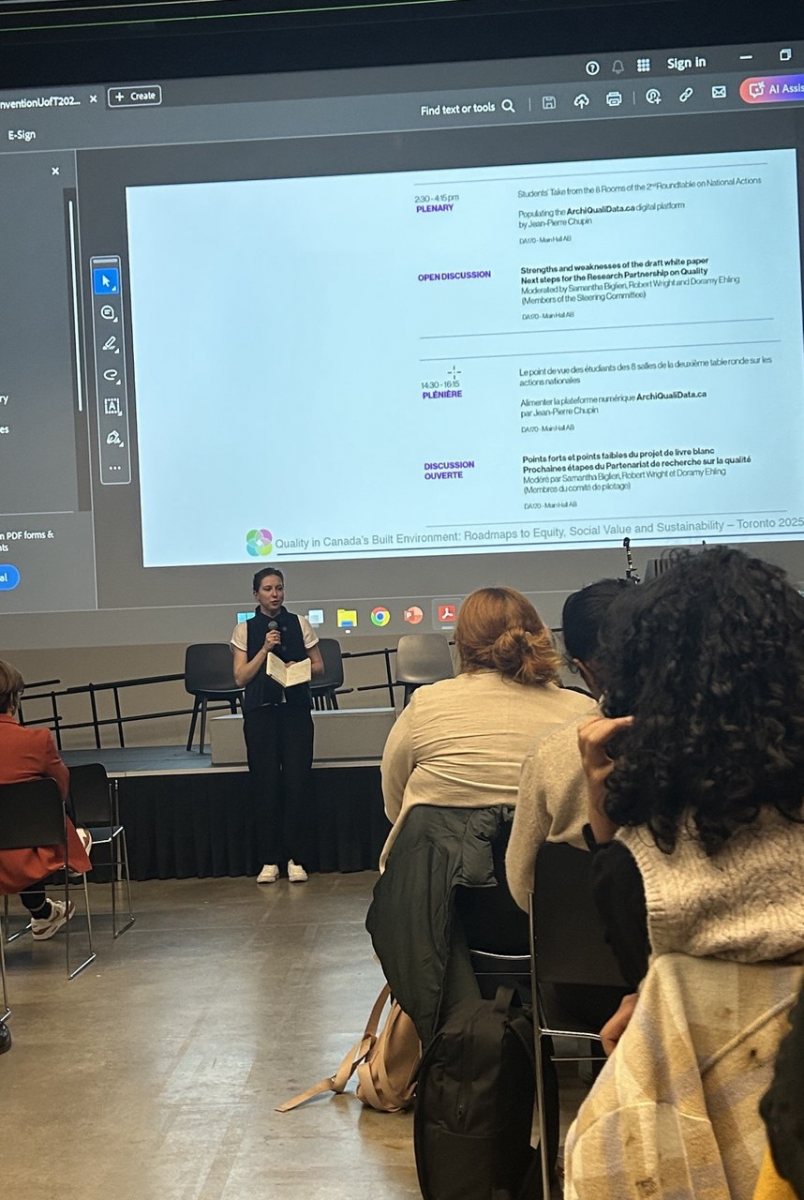
This summer I continued working with Dr. Shauna Mallory-Hill, an internationally recognized expert in building performance evaluation, on research exploring pathways to affordable and sustainable housing for First Nation communities. Her work is part of a five-year, pan-Canadian research partnership funded by the Social Sciences and Humanities Research Council of Canada (SSHRC) through 2027. The project brings together universities, researchers, and organizations across the country to reimagine how “quality” is defined and applied in the design of Canada’s built environments, with particular emphasis on equity, social value, and environmental sustainability.
What have you found the most intriguing?
The most intriguing aspect for me was the opportunity to assist in preparing for conferences and to participate in both online and in-person events. Attending the Toronto conference in May was especially meaningful, as it allowed me to hear firsthand the perspectives of researchers and community partners from across Canada. I also found it exciting to contribute to preparations for the final conference, which will be hosted in Winnipeg in May 2026.
How has the experience opened up ideas for future research, studies or career goals?
This experience strengthened my commitment to pursuing architecture and deepened my interest in creating meaningful, socially valuable, and efficient design solutions. Through Dr. Mallory-Hill’s research, which emphasizes close collaboration with One House Many Nations and the collection of community feedback, I learned the importance of engaging directly with occupants and communities in both research and design. Attending the Toronto conference in person further exposed me to the diverse ways in which designers, architects, and professionals define “quality” in architecture.
How can we find out more about the research you’ve been working on?
Information about this project can be found on the SSHRC website Living Atlas of Quality. The site showcases research collected over the past five years by 14 universities across Canada, including the University of Manitoba, and provides further details about Dr. Mallory-Hill’s work: http://livingatlasofquality.ca/.
Is there anything else you would like to add?
Working with Dr. Mallory-Hill was a privilege, as her research resonated with me both personally and professionally. As an immigrant from Ukraine, I understand the importance of having a safe and secure home and admire her dedication to creating positive change. Professionally, this experience allowed me to gain valuable skills in data collection and analysis, transcription, post-occupancy reporting, and assisting with and attending both online and in-person conferences.
_____________________________
Reanne Caldit, ED3 Architecture
with Prof. Jason Shields
Immersive Heritage: Digitally Preserving Cultural and Historic Spaces Through Virtual Reality
Tell us about the research you have been doing this summer:
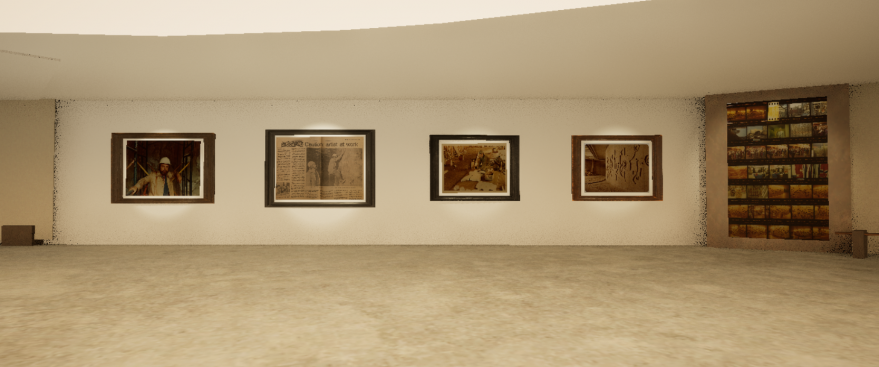
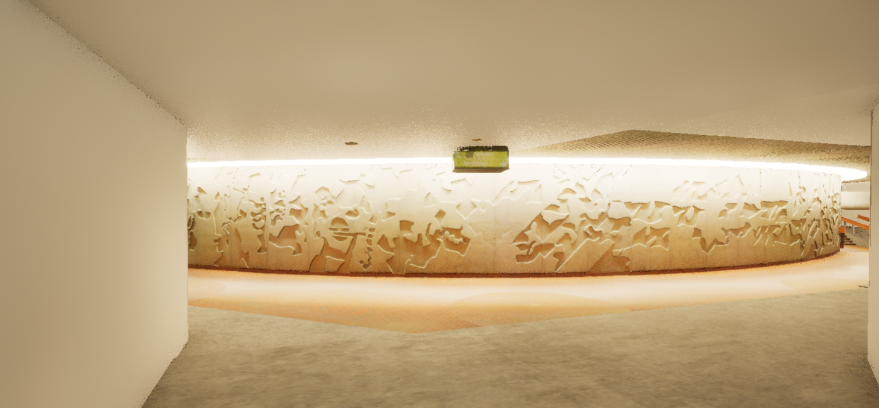
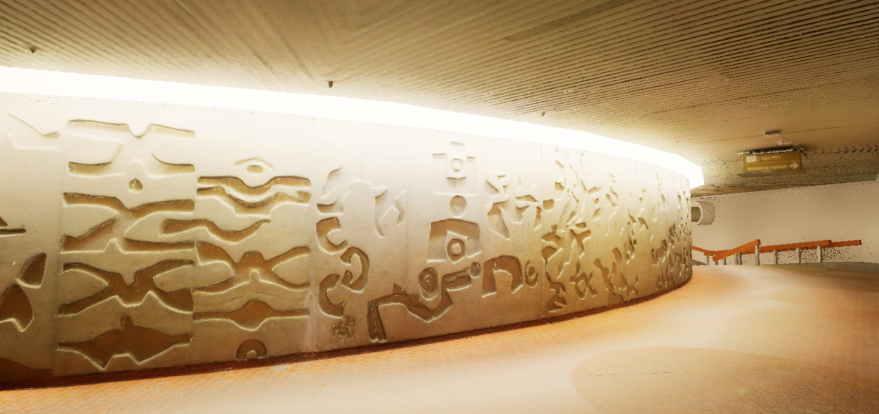
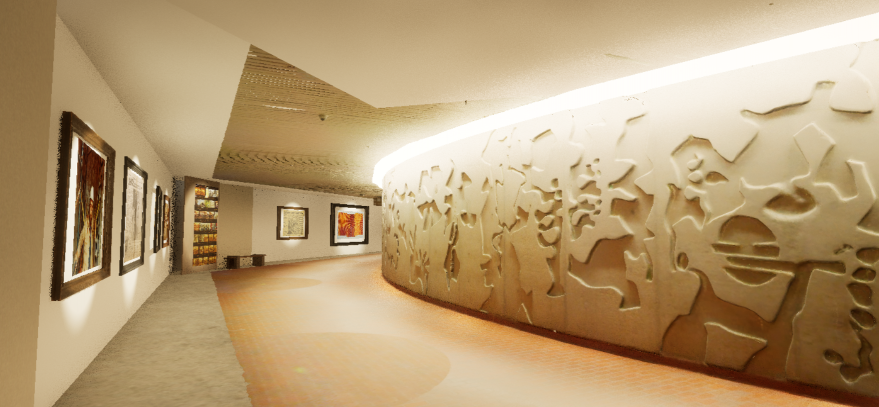
This summer, I continued my work on the Bruce Head Wall project. The project began with the LiDAR scanning of culturally and historically significant spaces in Manitoba, where researchers captured highly detailed 3D models and processed them into digital replicas.
My task was to take the completed scan of the Bruce Head Wall and turn it into an explorable environment in Unreal Engine. I focused on creating an immersive VR environment around the scan so that the site can be experienced virtually. The overarching goal of the project is to preserve important spaces that may be at risk of wear or demolition, while also making them accessible to people across the world.
What have you found the most intriguing?
What I’ve found most intriguing is how much of an emotional connection VR can convey. When standing inside a virtual construction of a historic space, it doesn’t feel like looking at an assembly of photos on a screen – it feels like you’re there. Seeing how technology can capture the intricate details and overall impact of a space has been eye opening. I was also fascinated by the interdisciplinary reach of this work, bridging architecture, history, archaeology, and computer science.
How has the experience opened up ideas for future research, studies or career goals?
This experience expanded my perspective on how digital tools can be applied in preservation and public engagement. It has encouraged me to think about future research which blends immersive media with community-based storytelling and has also opened potential pathways toward careers in VR development and interactive design. Learning a software like Unreal Engine has given me skills that are not only useful in academia but also in creative industries. It’s amazing to see what new technology can do, and I can easily imagine it shaping the future of architecture.
How can we find out more about the research you’ve been working on?
The research conducted on the Bruce Head Wall will be available publicly following the completion of VR testing. Access will be provided through both a web-based platform and a downloadable application. Scholarly publications outlining the methodology and significance of this work are forthcoming in academic journals. In addition, the project is scheduled to be exhibited at the A2G Gallery in Architecture II.
Is there anything else you would like to add?
I would add that one of the most rewarding aspects of this project has been the mentorship and collaborative support I’ve received. Learning alongside faculty, lab members, and professionals at StudioLab xR has not only built up my technical skills but also given me the confidence to present my work publicly. I’m excited that this research doesn’t just preserve places but also allows more people to engage with Manitoba’s cultural heritage. This work has opened my eyes to how collaborative research can be. It’s been wonderful to work with others, as it allows me to see multiple perspectives and gain a deeper understanding of the work.
_____________________________
URA recipients from the Faculty of Architecture in 2025 also included Madhav Arora, Hannah Maksimovich, A.V. Ronquillo, and Jenelle Schellenberg.