






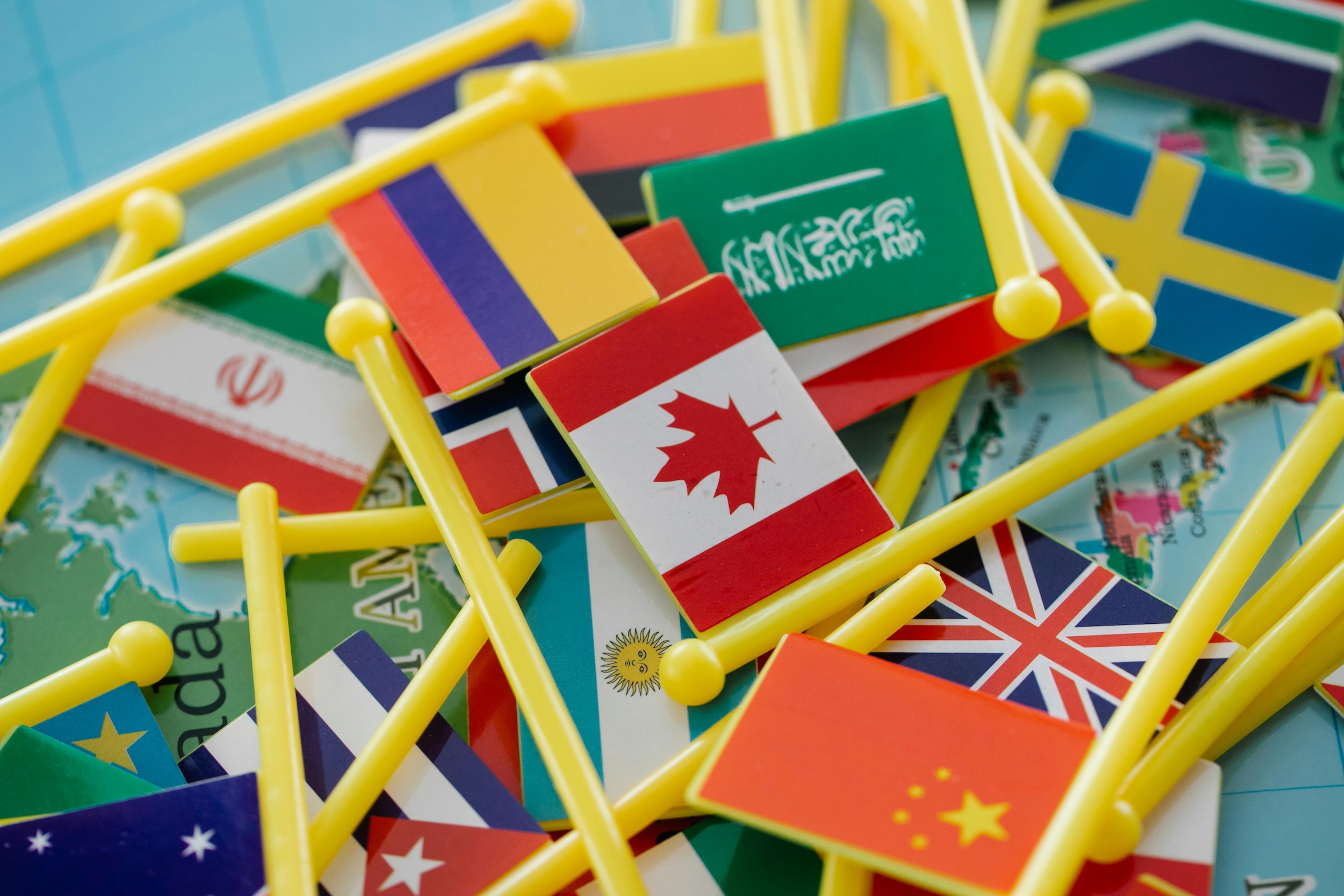
Global citizenship in perilous times
UM Today surveyed several UM students and experts about the meaning of global citizenship in perilous time and received thoughtful and, thought-provoking answers.
We asked: What does it mean to be a global citizen at this juncture in history? especially given the rise of authoritarianism and hate challenging democratic human rights, values and ideals. How do we translate thoughts and ideas into action in the current fractious and fractured political climate?
Read their full responses below.
Madlin Murad (student)
Graduating June 2025 with a BA in Political Studies (Honors program) and a minor in Philosophy.
Being a global citizen means realizing that we are connected to the rest of the world, both to the people, places, and to principles adopted in other parts of the world. Therefore, we are impacted by what happens elsewhere and for that reason we can no longer ignore what happens in other places.
As human being we are all better off when principles such as human rights, human security, and human dignity progress and are protected rather than regressed. This is why, initiative such as the Political Studies Students’ Conference become important as they open discussions on such important matters and provide expert knowledge on what is happening and how we can move forward in light of that, to protect what allows for a more humane and peaceful world. Hopefully, such initiatives also inspire students to become the changemakers to some of the world problems.
Adam Muller
Professor and Director of the Peace and Conflict Studies graduate programs.
I subscribe to a version of a school of thought with origins in Ancient Greece which holds that, for all intents and purposes, we are what we do. To “be” a global citizen on this view requires that we “perform” global citizenship, or in other words actively seek connection with and understanding of others regardless of their nationality or location in the world. This performance can take diverse forms, including reading about others and seeking out opportunities at home and abroad to interact with and learn from them.
It can also include travel, which, as Mark Twain reminds us, is “fatal to prejudice, bigotry, and narrow-mindedness.” From such experiences and interactions we can become more fully aware of ourselves and our place in the world, as well as better able to understand and hopefully appreciate or value the vast diversity of human beings generally.
Of course, the performance or practice of global citizenship isn’t always easy, perhaps especially at times like ours when so many of our social and political interactions seem purpose-built to divide, unsettle, or silence us.
Becoming a global citizen requires that we challenge such attempts at isolation and diminishment while resisting the reflexive and uncritical privileging of narrower, more parochial interests. In other words, global citizenship obliges us to think and act in a spirit of radical openness vis-à-vis other ways of being and doing in the world, even (maybe especially) when those ways seem offensive or strange. This kind of openness towards cultural and other differences lies at the heart of our efforts to cultivate empathy and undermine prejudice.
Importantly, openness, empathy and tolerance remain key components of the historical mission of the kind of deeply integrative and wide-ranging education offered by university Liberal Arts and Humanities faculties and departments worldwide. Educators in such contexts seek to make available for students a rigorous intellectually and culturally cosmopolitan learning experience, one that the Association of American Colleges and Universities argues “empowers individuals and prepares them to deal with complexity, diversity, and change.”
As obvious or simple as it may sound, and with “wedges” dividing us everywhere today in public and private life, one of the most effective ways to foster community and solidarity while championing human dignity and social justice remains learning more about other peoples and cultures, and working to place them in a living, open dialogue with what we are sure “we” are, and already know.
Nathan Derejko
Mauro Chair in Human Rights and Social Justice, Assistant Professor of Law.
“The concept of global citizenship means different things to different people. At its most basic, it means being aware of the wider world we are all a part of and our role in this world. It means understanding that our life choices in our communities can and do affect individuals in communities across the globe, whether its the products we purchase, our decision to either drive out ride our bike to school, the food we eat, and the countries we visit.
All of these actions hold reverberating effects for individuals and communities the world over. To a certain extent, these are individual choices that can be – and often are- made in face of adversity. The heart and soul of global citizenship is empathy and action for all people and the planet.”