






$9 million in funding announced for UM health research
Includes study of how to reduce high rate of quitting among Manitoba health-care aides
Health researchers at UM have landed nearly $9 million in federal funding in the latest round of project grants from the Canadian Institutes of Health Research.
“These 10 cutting-edge projects highlight the impressive diversity of health research at UM,” said Dr. Peter Nickerson, dean of the Rady Faculty of Health Sciences.
“Some are lab studies that will advance knowledge of conditions like heart disease and cancer. Two projects focus on Indigenous health. Three studies are randomized controlled trials to be conducted at hospitals, with the potential to influence treatment protocols in the areas of kidney transplant rejection, pneumonia and stroke.”
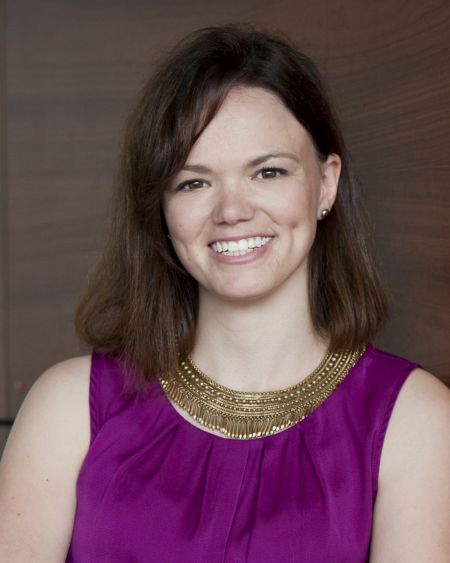 Dr. Christine Kelly, an associate professor in the College of Community and Global Health with expertise in home care and the care workforce, received nearly $1 million for a four-year study.
She and her team aim to learn more about the lives of health-care aides (HCAs) in Manitoba. The goal is to uncover why so many leave the field, and what can be done to recruit, support and retain these employees who do essential work in home-care programs and personal care homes.
“Research shows that as many as 40 per cent of recently graduated HCAs will leave their job within the first year of employment,” Kelly said. “The period during and immediately following training is a key time for understanding what is happening with these workers, who are mostly women and are often new Canadians.”
All five public colleges that train HCAs in Manitoba – RRC Polytech, Assiniboine Community College, Université de Saint-Boniface, Manitoba Institute of Trades and Technology and University College of the North – will be involved in the provincewide study, titled “Care workers of tomorrow: Health-care aide experiences and education-to-work pathways to support retention and workforce planning.”
The project will follow HCAs from the start of their training and into their first year of employment, documenting why they stay at or leave their jobs. Based on the findings, Kelly’s team will make recommendations for educational institutions, policy-makers and employers.
Here are the other UM recipients of CIHR grants in the Spring 2025 round of funding:
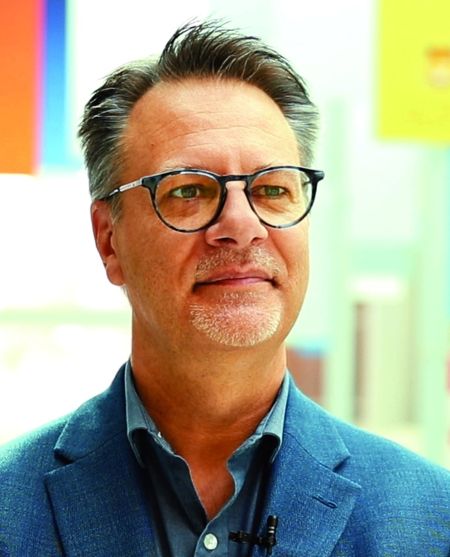 Dr. Michael Czubryt, professor of physiology and pathophysiology; executive director of research, St. Boniface Hospital
Grant: $1,149,414 (five years)
Czubryt will investigate how a protein, scleraxis, controls the conversion of heart cells called fibroblasts into myofibroblasts – a process that drives cardiac fibrosis, or stiffening of the heart, in cardiac disease. With greater insight into the role played by this protein, Czubryt’s team aims to help identify new targets for anti-fibrosis drug development.
 Dr. Julie Ho, professor of internal medicine
Grant: $2,757,826 (five years)
Ho’s team will lead an international, multi-centre, randomized controlled trial to define the optimal steroid therapy for T-cell mediated rejection (TCMR) of kidneys after transplant. This trial aims to resolve the longstanding question, “What is the minimally acceptable, safe and effective steroid dose for the treatment of acute TCMR in kidney and simultaneous kidney pancreas transplant recipients?”
 Dr. Jennifer Kornelsen, associate professor of radiology
Grant: $623,476 (five years)
Seeking to understand depression and anxiety in people with inflammatory bowel disease (IBD), Kornelsen will use magnetic resonance imaging to investigate the brain and spinal cord activity of patients who have IBD with depression/anxiety; those who have IBD without those conditions; and healthy people. The study will also test how the spinal cord carries information between the brain and the gut in IBD.
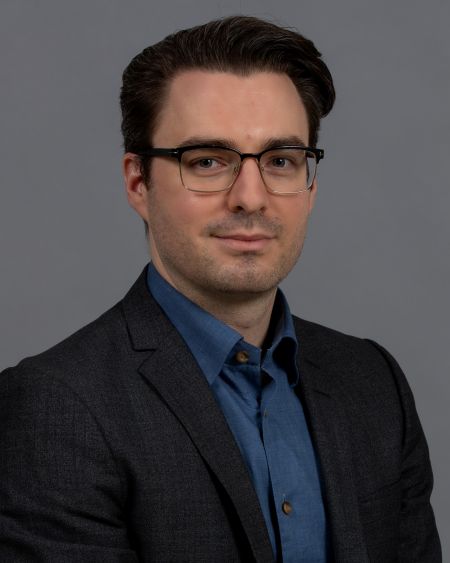 Dr. Sylvain Lother, assistant professor of internal medicine
Grant: $180,000 (three years)
Lother is leading a pilot randomized controlled trial of 120 patients across Canada in preparation for a much larger trial involving thousands of patients with community-acquired pneumonia. The goal is to establish whether one antibiotic strategy is better than others for certain groups of patients hospitalized with pneumonia.
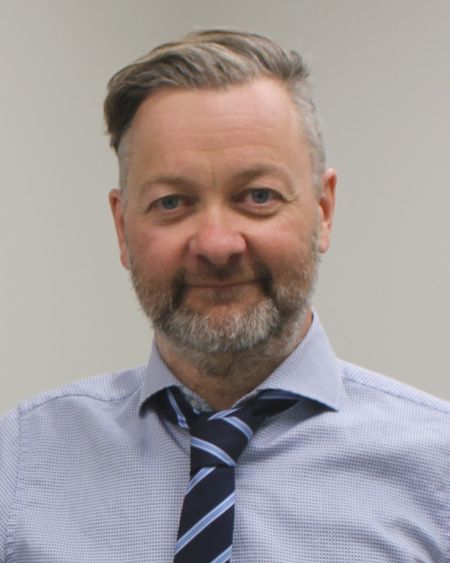 Dr. Jonathan McGavock, professor of pediatrics and child health
Grant: $100,000 (one year)
McGavock’s project continues his research on how urban trails in Canadian cities rarely reach or serve the needs of urban-dwelling Indigenous people. This study will provide evidence-based policy and practice recommendations co-created with First Nations families and Elders/Knowledge Keepers for how to implement urban trails in an equitable way for First Nations people.
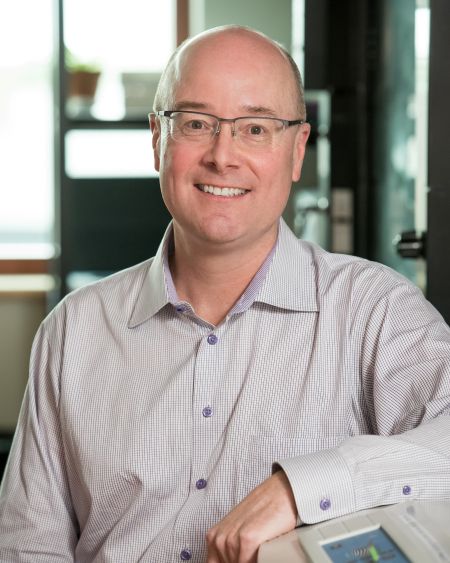 Dr. Kirk McManus, professor of biochemistry and medical genetics
Grant: $1,208,700 (five years)
McManus’s project will use cutting-edge techniques to study the expression of a gene, SKP2, that appears to play a role in the development of tubo-ovarian high-grade serous carcinoma, the most common and lethal form of ovarian cancer. The team hopes to gain knowledge that will lead to new therapeutic options for people with this cancer.
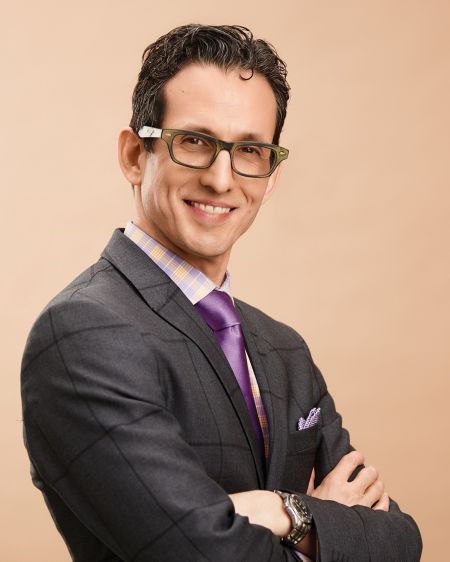 Dr. Claudio Rigatto, professor of internal medicine
Grant: $765,000 (three years)
Rigatto’s team will develop a small, easy-to-use, low-cost test for rapid, accurate assessment of kidney function in settings such as clinics, pharmacies, schools, and potentially homes. The test will use a new method for measuring kidney function, called cystatin C. The team aims to make kidney testing as widely available as possible to improve access to chronic kidney disease diagnosis.
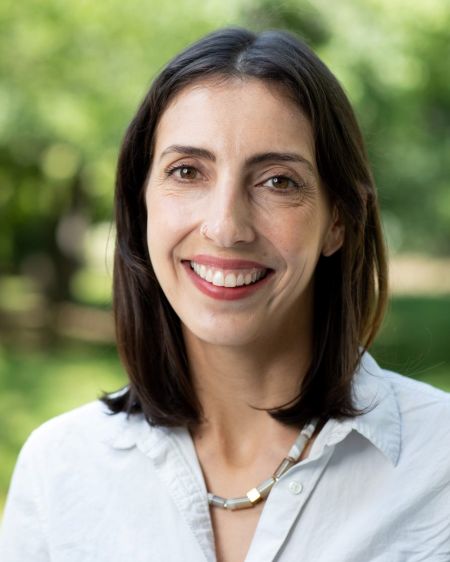 Dr. Leslie E. Roos, associate professor of psychology
Grant: $489,600 (three years)
Roos’s team has developed an app-based mental health and parenting support program called BEAM (Building Emotional Awareness and Mental Wellbeing). In this project, the team is working with Indigenous researchers, Elders, community members and organizations to build, test and evaluate a cultural adaptation of BEAM that meets the expressed needs of Indigenous families.
 Dr. Nishita Singh, assistant professor of internal medicine; Heart & Stroke & Research Manitoba Chair in Clinical Stroke Research
Grant: $768,826 (three years)
Singh’s study aims to determine whether it’s safe for patients who take blood thinners called direct oral anticoagulants (DOACs) to receive a clot-busting medication (tenecteplase) when they are having an ischemic stroke. Currently, guidelines say patients who are on DOACs should not be given clot-busting medication. This randomized controlled trial will test different doses of tenecteplase.