






Arctic Research News Archive

Nunavut News: Chester teens drill for science
May 25, 2018 —
A group of 12 students from grades nine through 11 at Victor Sammurtok School had a unique opportunity with the arrival of a pair of Winnipeg scientists in Chesterfield Inlet earlier this month.
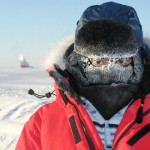
U of M’s Arctic expertise sought by Senate of Canada
April 19, 2018 —
David Barber tells Senators to expect ice-free summer in Arctic by 2030
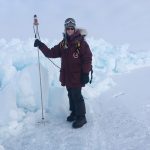
New research chair will help forecast the future of climate change in Canada
March 29, 2018 —
U of M's sea ice research team has recruited Dr. Julienne Stroeve with her expertise on complex Arctic systems
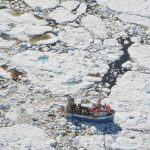
Arctic sea ice becoming a spring hazard for North Atlantic ships
March 19, 2018 —
More Arctic sea ice is entering the North Atlantic Ocean, making it increasingly dangerous for ships in late spring, suggests new research
Clayton H. Riddell Faculty of Environment, Earth, and Resources
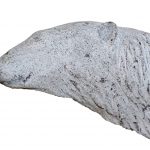
The story of rocks
October 19, 2017 —
New exhibit at the Cretaceous Menagerie in the Wallace Building uniquely pairs Inuit carvings with the rock types from which they are made
Monster discovered in Canadian Arctic
October 19, 2017 —
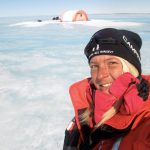
Graduate student Aurelie Delaforge discovered Canada’s first scientifically sound monster lurking under ice
NY Times: Canadian Town, Isolated After Losing Rail Link, ‘Feels Held Hostage’
August 31, 2017 —
"We can expect more of this — one-in-100-year flood events"
Breitbart, and others: Global Warming Study Cancelled Because of ‘Unprecedented’ Ice
June 13, 2017 —
"Naturally, the scientist in charge has blamed it on ‘climate change.’"
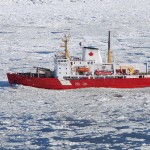
First phase of Arctic climate change study cancelled due to climate change
June 12, 2017 —
'Climate-related changes in Arctic sea ice not only reduce its extent and thickness but also increase its mobility meaning that ice conditions are likely to become more variable and severe conditions such as these will occur more often'
Wpg Free Press: Emission action needed or issues will get worse: climate change scientist
April 26, 2017 —
The world is heating up — and much more quickly than expected, a recent Arctic research report states.