







Dr. Harmeet Chawla
Scientists map full oat genome, revealing new insights into sustainable agriculture
Genetic diversity holds the key to climate resilience
Oats are an essential part of a balanced diet thanks to their high fibre content and ability to help lower bad cholesterol and improve cardiac health. Now, UM researchers have contributed to a scientific breakthrough that could change how the crop is bred for the future.
An international team, including UM’s Dr.Harmeet Chawla from the Faculty of Agricultural and Food Sciences, have recently succeeded in creating an oat pangenome that maps the plant’s entire genome, as published in Nature.
“Understanding this blueprint could have direct implications for breeding oats that are healthier and oat crops that remain high yielding, even in the face of climate change,” says Chawla.
Mapping the oat pangenome
The study marks the first time the oat genome has been successfully mapped. This process is particularly complex because the plant has six sets of chromosomes, known as a hexaploid. The team used state-of-the-art gene sequencing technologies to examine the genomes from 33 oat plant lines from both wild and cultivated varieties.
“I led the genome assembly of two Western Canadian cultivars—AC Morgan and Leggett—that were key to this study,” says Chawla. “These varieties were strategically selected due to their genetic resistance to fungal diseases like rust and covered smut, along with their desirable milling qualities.”
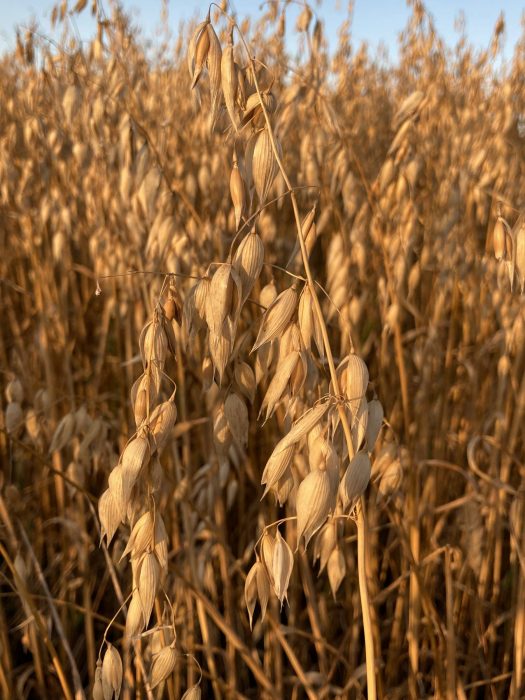 By incorporating these Manitoba-grown cultivars into the international pangenome analysis, the research ensures that genome-driven breeding can now directly target traits vital to Canadian farmers: disease resistance, stable yields and quality characteristics important to processors and consumers.
Encouraging prospects for agricultural genomic research
Although oats occupy a smaller market share than global staples like rice and wheat, their nutritional profile and role in diversified crop systems make them an important crop for sustainable food systems.
“This new approach to mapping plant genomes is a promising start that could also help decode other grains with complex genomes,” says Chawla.
Oats are widely produced in Manitoba. In 2024, provincial oat production increased 43%, with record setting yields. As producers continue to adapt to climate change, this research could play a key role in future oat production and helping keep Manitoba a leader in high-quality oat production.
Research at the University of Manitoba is partially supported by funding from the Government of Canada Research Support Fund.