






AI-powered vertical farms the future of food-secure in Manitoba
New test farm at UM poised to beat tariff threat with local produce.
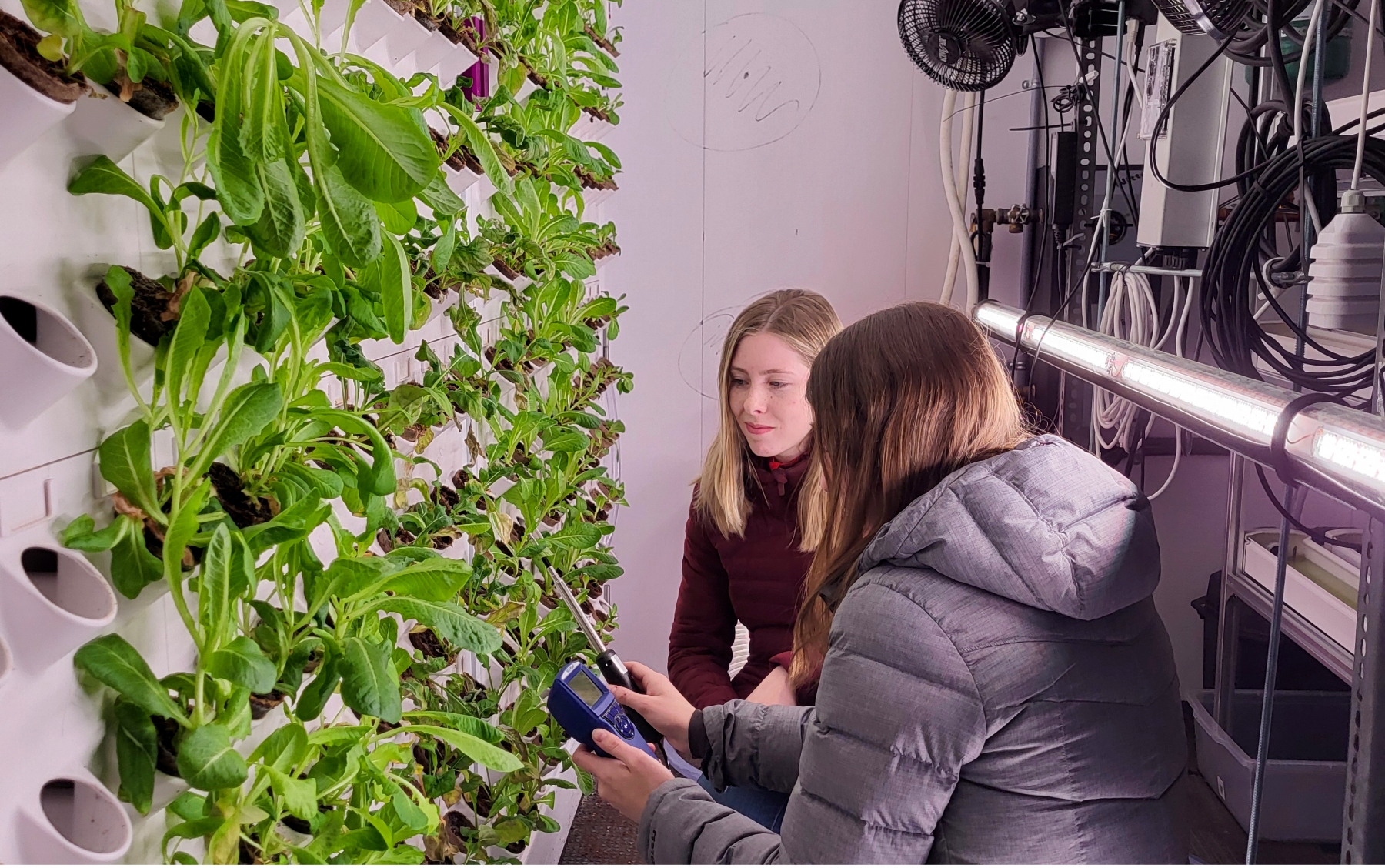
A new vertical farming facility on Fort Garry Campus is showing potential for improving food security and reducing the cost of vegetables for Northern communities. Dr. Young-Jin Cha of the Price Faculty of Engineering is working with Efficiency Manitoba to test a new AI driven system to solve the economic questions of food security.
“In winter, vegetables in grocery stores in most parts of Canda are transported by truck from southern US and Mexico,” says Cha. “In addition to saving money, locally grown vegetables from vertical farms are more nutritious and taste better.”
As the fifth-largest importer of fresh vegetables worldwide, Canada spends around $4 billion importing fresh vegetables. Cha and other researchers now envision a better way to supply Canada’s vegetables, an automated vertical farming system to lower prices and address dietary-related health issues.
Smart Vertical Farms
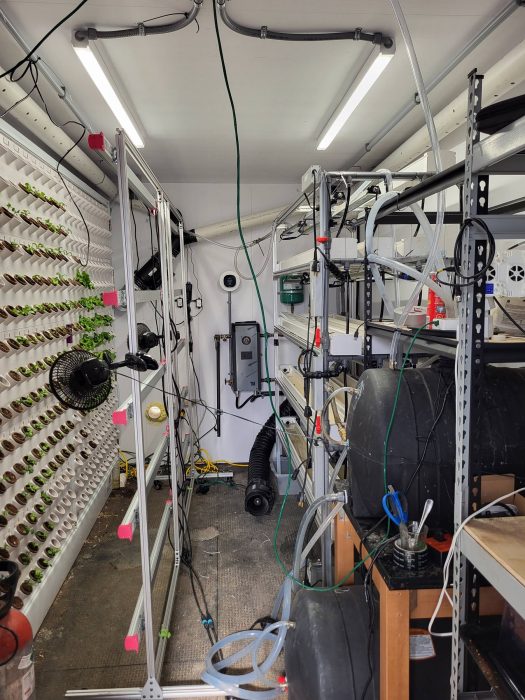
Inside the Smart Vertical Farm.
Today there are no vertical farms with AI control systems anywhere in the world. Cha expects to bring the Smart Vertical Farming System to market within the next two years to optimize value and nutrition for local markets.
“We anticipate that smart vertical farming will play a significant future role in our winter food supply using big warehouses for cities like Winnipeg and shipping containers for smaller Northern communities,” says Cha.
With AI assisted vertical farms, producers can automatically adjust conditions including temperature, lighting, ventilation and nutrient supply to provide the best environment and yield at the lowest cost. The lighting period for plants at night to take advantage of lower electricity rates outside of peak hours.
“For example, if the market price of lettuce goes up, our AI system will adjust production conditions to boost the yield,” says Cha. “Optimization is the key here. We are currently focused on AI optimization of crop yield and quality, and resource usage to maximize value.”
Lower price and improved nutrition
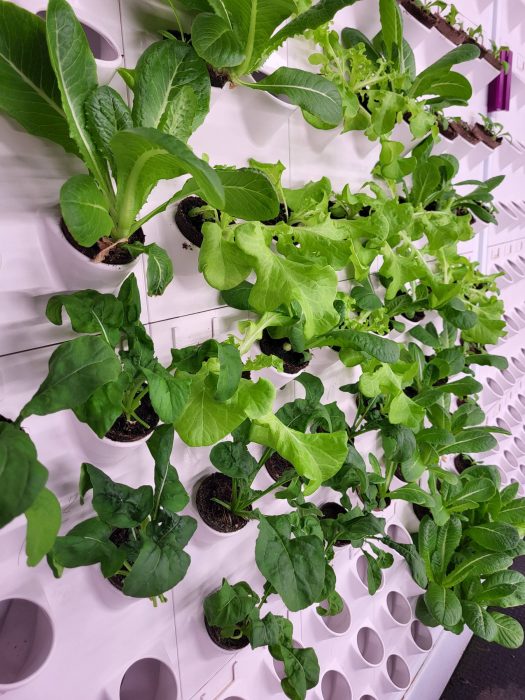
Aside from saving money, freshly grown produce is also much more nutritious. Vegetables grown in a vertical farm can be sold at the grocery store the same day they are picked, by contrast imported foods often sit in containers for days or weeks before we buy them at the store.
In the next phase of the Smart Vertical Farming project Cha is working with Dr. Miyoung Suh, who has already made progress growing nutrient-enriched vegetables in AI monitored vertical farms. Suh co-leads the community-driven SMART-VF vertical farm in Opaskwayak Cree Nation which is showing potential to supplement the diets of more than 98,000 people annually.
“Providing a sustainable source of fresh produce to northern and isolated communities is a key component in the UM strategic research priority for Water and Food Security,” says Dr. Mario Pinto (Vice-President Research & International).
“I congratulate Dr. Cha and the Smart-VF team on this important partnership with Efficiency Manitoba following decades of dedicated research. While Manitobans stand to benefit greatly from this breakthrough, the smart vertical farming system is sure to positively impact food security across Canada, and indeed, around the world.”
Research at the University of Manitoba is partially supported by funding from the Government of Canada Research Support Fund.