






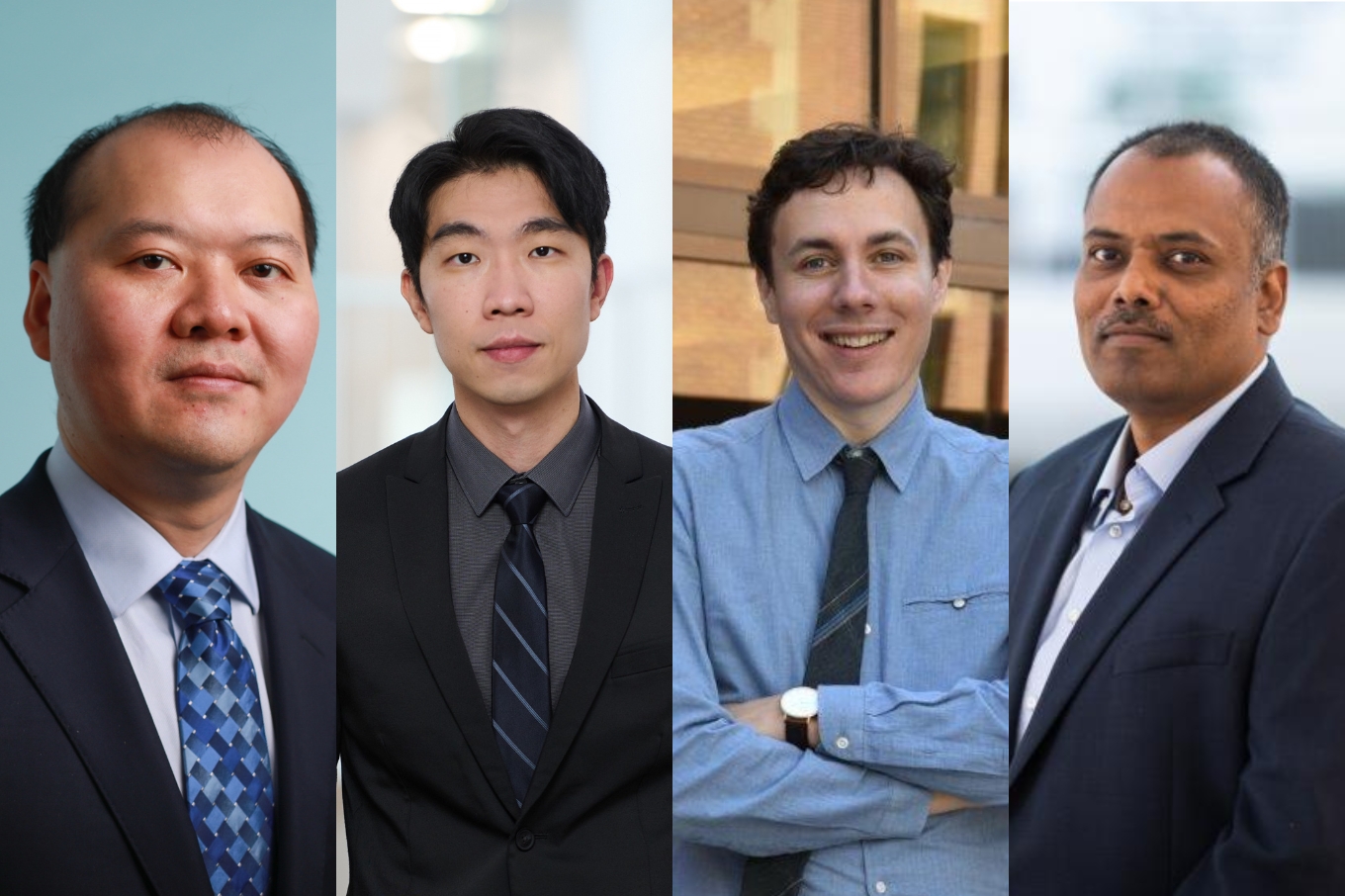
Left to right: Shiu-Yik Au, Dan Shin, Sean Buchanan, and Harsha Kamatham
Asper School of Business Earns National Research Funding
Exploring the Impact of AI, Ethics, Culture, and Community Through Business Research
The Asper School of Business is proud to celebrate four faculty members who have received 2025 Social Sciences and Humanities Research Council of Canada (SSHRC) Insight Development Grants. These prestigious grants support early stage research with strong potential for impact in the social sciences and humanities.
This year, Asper researchers achieved a remarkable 80% success rate, well above the national average (53%). The four projects span critical questions of technology, culture, ethics, and community, with a collective total of $238,118 in funding.
Each project is a unique reflection of Asper’s research strength and commitment to exploring how business intersects with real-world challenges, especially during times of social and technological transformation.
Harsha Kamatham (Assistant Professor, Marketing): Kamatham’s project investigates how generative Artificial Intelligence tools are changing the way consumers perceive advertising. As these technologies gain ground in creative industries, Kamatham—with the help of collaborators Ram Janakiraman and Rishika Rishika from North Carolina State University, and graduate student Kaushik Bhattacharjee (UM)—is asking how audiences respond to AI-generated content versus content created by humans.
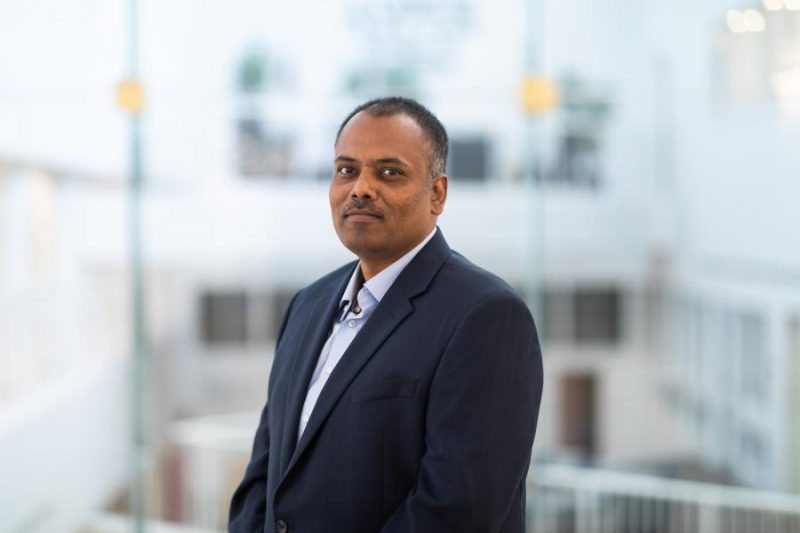
Harsha Kamatham
“What excites me most about this project is its potential to unpack how people make sense of a rapidly changing creative landscape,” Kamatham shares. “Generative AI is not just another tool—it’s reshaping how we define creativity, who gets to be called a creator, and what that means for industries like advertising.”
His project aims to better understand how businesses can navigate the evolving boundaries between technology and human creativity—an issue that is increasingly relevant for marketing professionals, policymakers, and content creators alike.
Dan Shin (Assistant Professor, Supply Chain Management): Shin’s project focuses on the integration of artificial intelligence in healthcare, raising an important and timely question: How can AI tools support, rather than replace, the clinical judgment of care providers? Shin’s work uses real-world case studies and interviews with healthcare professionals to investigate how these technologies are introduced in practice, and how they affect human autonomy in critical decision-making. As healthcare systems increasingly rely on AI to guide treatments and manage patient outcomes, this research seeks to establish frameworks that preserve the independence and ethical responsibility of medical professionals while still leveraging the benefits of technological innovation.
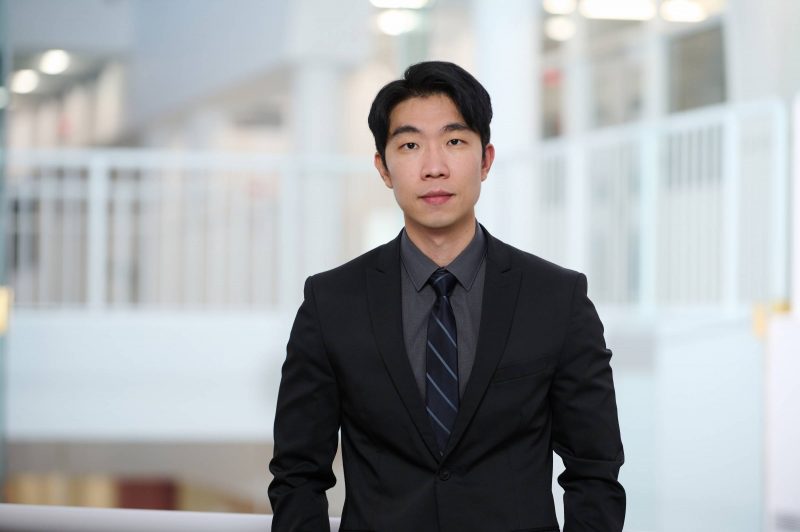
Dan Shin
Sean Buchanan (Associate Professor, Business Administration): Buchanan is exploring how political polarization is influencing the stand-up comedy industry. As societal divisions deepen, comedians are navigating shifting audience expectations and increasing scrutiny around the content they perform. Through interviews with comics, agents, and producers, the project will examine how creative decisions are shaped by growing sociopolitical tension.
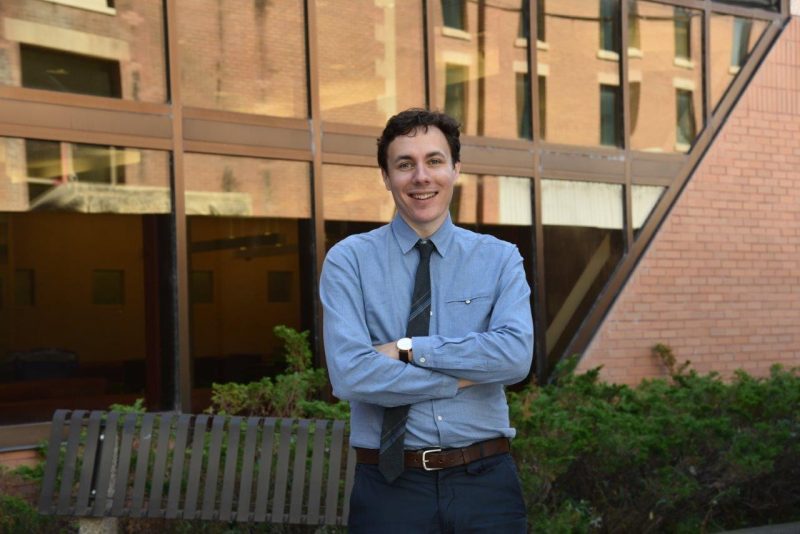
Sean Buchanan
“Rising political polarization is one of the central challenges facing society today,” Buchanan says. “Understanding both how polarization impacts business and also how business impacts polarization—as an amplifying or attenuating force—is a critical line of inquiry.”
His project considers how businesses in cultural industries respond to polarization, and how this, in turn, shapes the public discourse.
“Stand-up comedy has always been a flashpoint for contentious sociopolitical debates. This project allows us to explore the shifting dynamics of this important industry amidst rising political divisions in society.”
Shiu-Yik Au (Associate Professor, Accounting & Finance): Au’s project brings attention to the influence of social networks on financial decision-making. Specifically, his research focuses on how personal and professional connections between fund managers—measured using tools like the Facebook Social Connectedness Index—can impact the way money is invested during times of market uncertainty. By mapping out these networks and analyzing patterns in investment behaviour, Au’s work uncovers how trust, informal communication, and relationships play a significant role in the financial ecosystem. This research could inform better practices in financial regulation, risk assessment, and market transparency by highlighting the social factors that influence economic outcomes.

Shiu-Yik Au
“Social connections influence our purchases, friends, and family. I hope to show they impact our financial decisions as well,” says Au.
He’s particularly interested in how crisis events may trigger investment shifts based on regional or social ties.
“We’ve seen a tremendous charitable response from Manitobans to help wildfire evacuees,” he adds. “I’m interested to see if this will extend into investment decision-making as well. Perhaps the wildfires in Northern Manitoba will unleash a wave of investment in our North that will revitalize the economy there.”
These four IDG recipients reflect the Asper School of Business’s dedication to advancing research that responds to societal challenges with creativity, rigour, and relevance. From AI to finance, from politics to healthcare, their work highlights how business research can help us understand and shape the world around us.
Visit the Asper School of Business Research page to learn more about research programs, events, and contributions from Manitoba’s business school.