






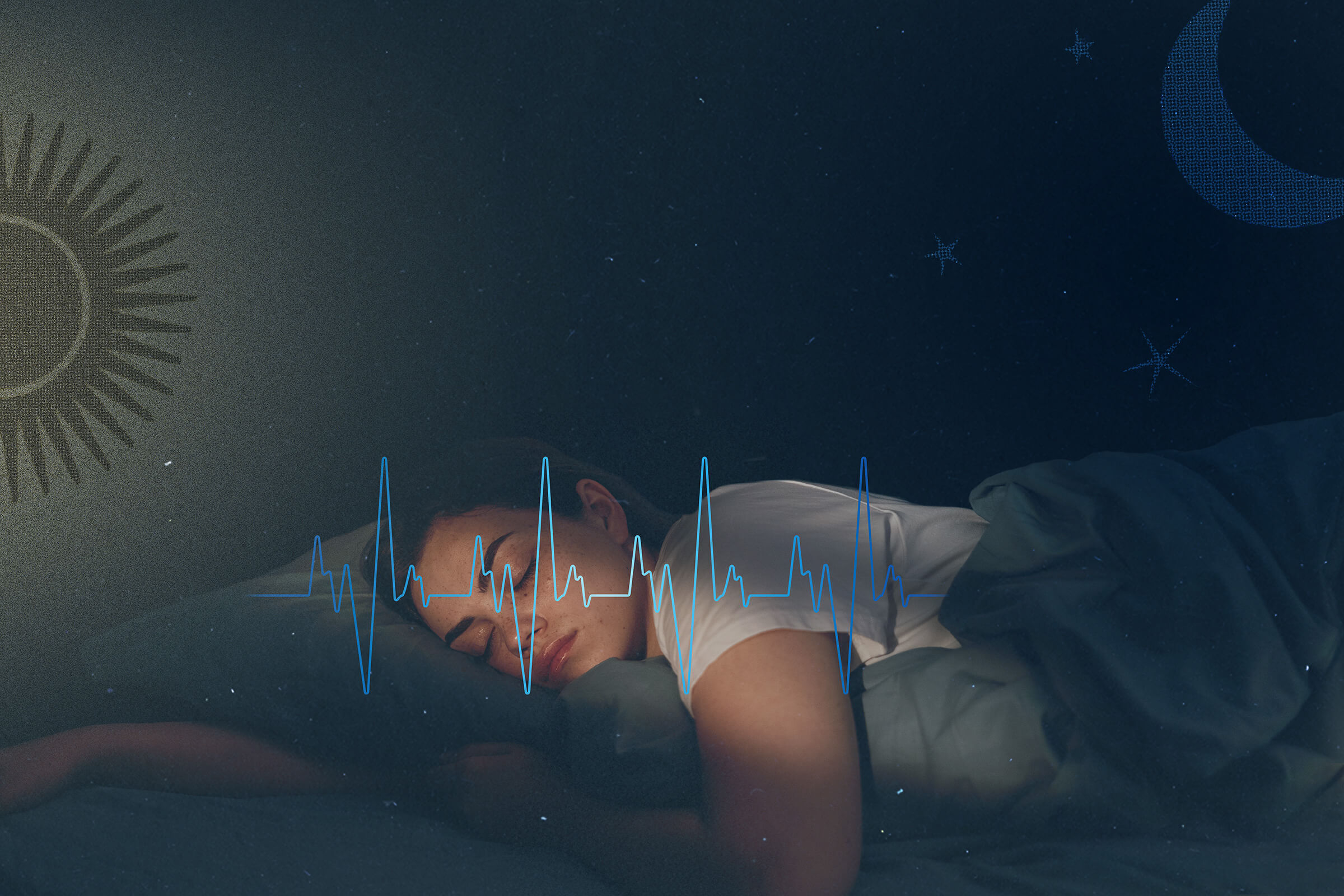
How does Sleep Help Rewind the Body’s Clock?
A night-shift worker finishes at dawn. Their phone says Tuesday, but their body feels likes it’s Monday. The body’s internal clock, or circadian rhythm, controls physiological processes such as sleeping, eating and physical activity, taking its cues from the daily cycle of light and dark. In the heart, that timing matters.
Irregular sleep disrupts this 24-hour cycle that keeps the body in sync. When the clock becomes misaligned, it affects far more than mood or fatigue. According to Dr. Lorrie Kirshenbaum, Director of the Institute of Cardiovascular Sciences at St. Boniface Hospital and professor of physiology and pathophysiology at UM, disruption of the body’s “internal clock” can change the normal functioning of the heart and increase the risk of cardiovascular disease.
We asked him: How does sleep help rewind the body’s clock?
The heart’s night shift
Every night, while the body rests, the heart’s own cleanup crew goes to work. Inside each heart cell is a kind of “garburator,” clearing away damaged proteins and recycling them to keep the cells of the heart running smoothly.
“As soon we change the light–dark cycle, this biological process fails to work properly,” Kirshenbaum says. “There’s an accumulation of cellular debris like a junkyard, and cluttering of damaged proteins interferes with the cells’ normal operations, which can cause disease.”
His lab has identified and is studying how certain circadian “clock” genes also regulate this cellular quality-control system, beyond just keeping time. When the clock falls out of sync—because of shift work, jet lag or even daylight-saving time—the cleanup stalls and damaged proteins build up, weakening heart cells.
The effects show up everywhere in the body, but the heart is especially sensitive.
“Even small changes in the light–dark cycle have profound effects on the heart,” Kirshenbaum says.
His team is exploring ways to restore balance, from potential drug-like agents that mimic clock signals to behavioural approaches that align work and rest with the body’s timing.
It’s part of a growing field called chronotherapy, which studies the effects of how drugs given at certain times of the day can influence outcomes.
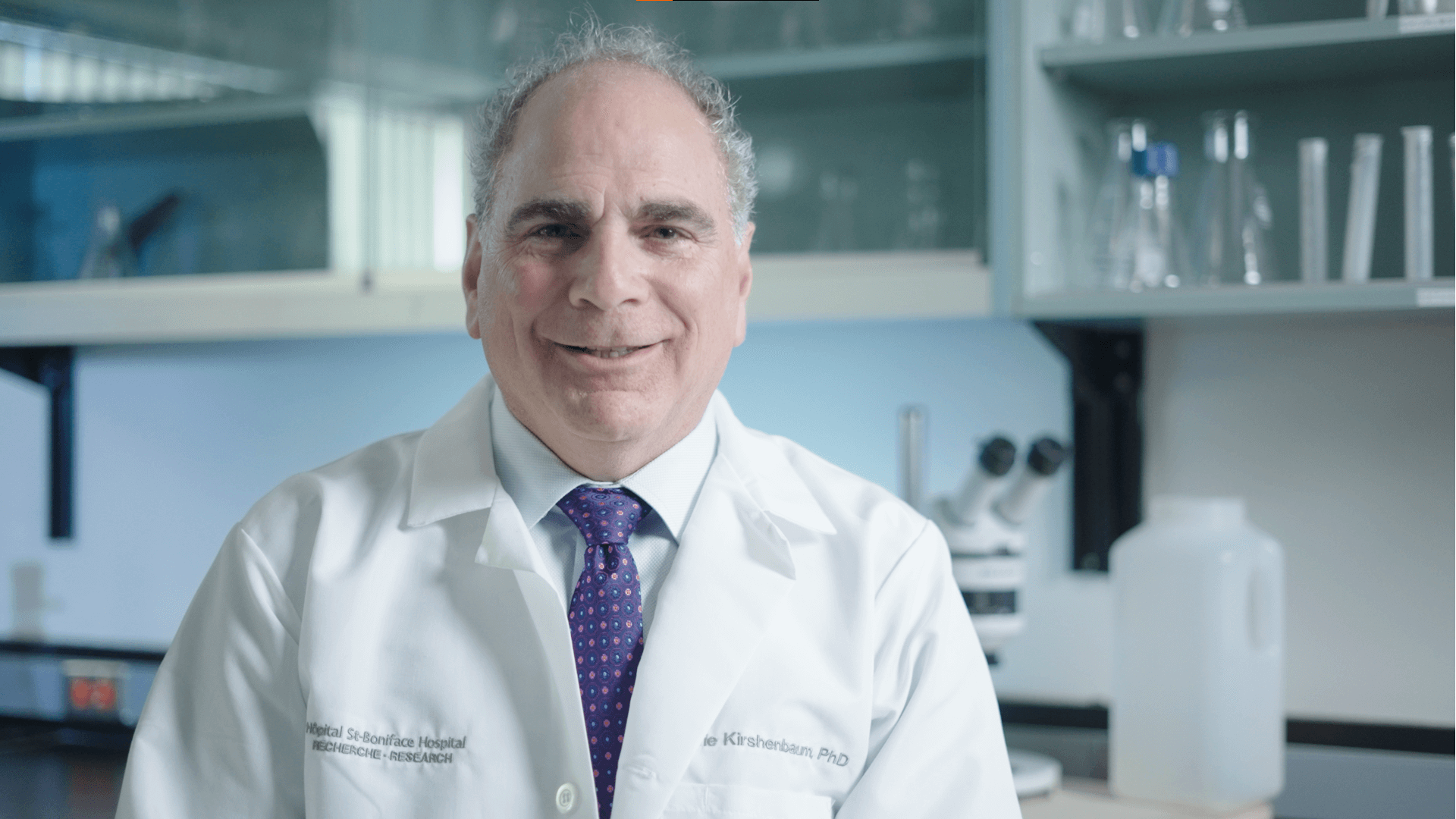
Dr. Lorrie Kirshenbaum
Women’s hearts, different rhythms
At St. Boniface Hospital, Kirshenbaum spearheaded development of a dedicated Women’s Heart Health Research Program to help close the knowledge gap in sex-based differences in heart disease.
Historically, clinical studies on heart disease were conducted mainly on men, leaving women’s symptoms—and biology—greatly overlooked and understudied. This resulted in women with heart disease often going misdiagnosed or, in many cases, not treated. Early findings from his team and collaborators suggest clock-linked quality-control pathways can be affected differently in women and men.
“We’re seeing certain genes regulated by the circadian clock behave differently in female hearts compared to those in males,” Kirshenbaum says. “Those sex-specific differences could account for the increased risk of heart diseases, such as heart attack, high blood pressure or other stressors such as sleep deprivation, in females.”
Dr. Kirshenbaum also focuses on how certain anti-cancer drugs can put females at greater threat of heart failure following treatment.
By uncovering these distinctions, his team aims to move toward precision therapies for women and men, rather than one-size-fits-all care.
What this means for Manitoba
Shift work is a reality across Manitoba’s hospitals, factories and transport systems.
By uncovering how circadian disruption damages the heart, Kirshenbaum’s team is laying the groundwork for better prevention and treatment, especially for women, who remain underrepresented in cardiovascular care.
It’s research that could change how medicine approaches time itself, positioning Manitoba as a leader in circadian-cardiac science.
From night shift to space flight
What happens to the heart when day and night all but disappear?
To answer that, Kirshenbaum’s lab partnered with NASA and UM assistant professor Dr. Inna Rabinovich-Nikitin to study how circadian disruption and microgravity affect astronauts’ hearts in space.
“Astronauts onboard the international space station see 16 sunrises and sunsets every 90 minutes,” Kirshenbaum says. “In this microgravity, the heart changes its shape from an elongated spheroid like a football to more ovoid round like a soccer ball.”
By observing how microgravity and extreme light–dark cycling influences the heart, the team hopes to better understand how disrupted sleep and altered rhythms on Earth can affect heart health in people with heart failure.
Where most people see problems, Bisons see solutions. Explore and meet UM researchers—like Dr. Lorrie Kirshenbaum—who are changing lives in Manitoba and beyond.
Dr. Lorrie Kirshenbaum is a professor of physiology and pathophysiology at the University of Manitoba and Director of the Institute of Cardiovascular Sciences at the St. Boniface Hospital Albrechtsen Research Centre. He previously held the Canada Research Chair in Molecular Cardiology. His research spans molecular heart failure, women’s heart health and the effects of circadian rhythm on cardiovascular disease in collaboration with partners from Cedars-Sinai to NASA.